
A conversation with Stack magazines founder Steve Watson. Interview by Arjun Basu
—
THIS EPISODE IS MADE POSSIBLE BY OUR FRIENDS AT FREEPORT PRESS.
One of the things I’ve learned while hosting this podcast is that there are a lot of magazines out there. More than I imagined. Meaning there was never a “death of the magazine,” simply a realignment of dollars and attention. If anything, there are more magazines being published than ever.
But, and it’s a big but, they are harder and harder to find. There are fewer magazine stores. There are almost no newsstands, at least in North America. And bookstores, well, ok, go to your local bookstore and good luck.
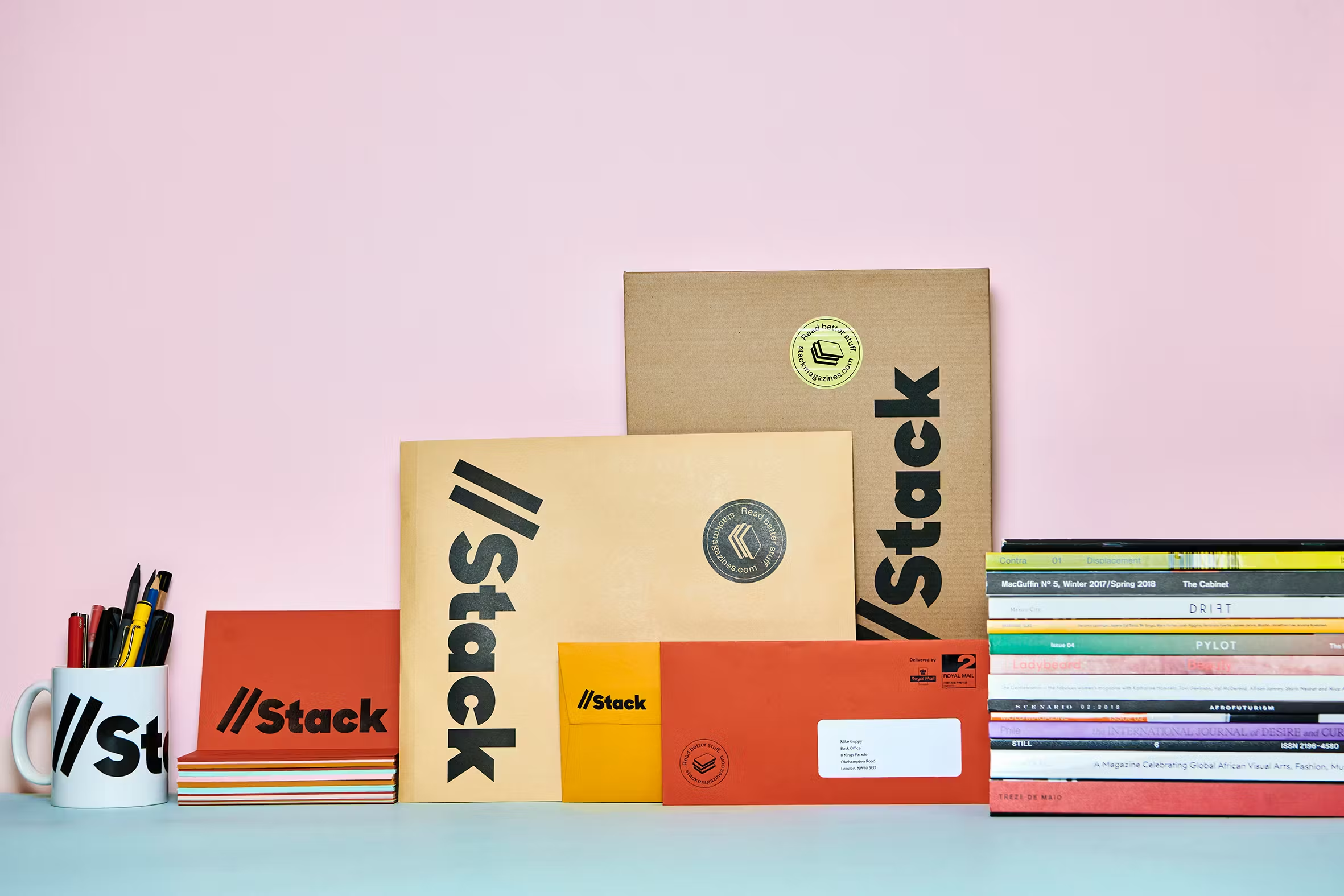
Which brings us to Steve Watson. He worked in the industry and he lived what was happening to it. And so he created Stack which is, essentially, a discovery system. Or a club. Call it The Magazine of the Month Club. Join it and you receive random independent magazines from around the world, chosen by Steve—or, curated, let’s use the word—curated by Steve, and if you like the magazine, great, go out and subscribe to it, and you’ve just expanded your world.
I asked Steve about the changes in the industry, how he builds community and what the future of magazines might be. He’s an optimist. And that makes me feel good about things.
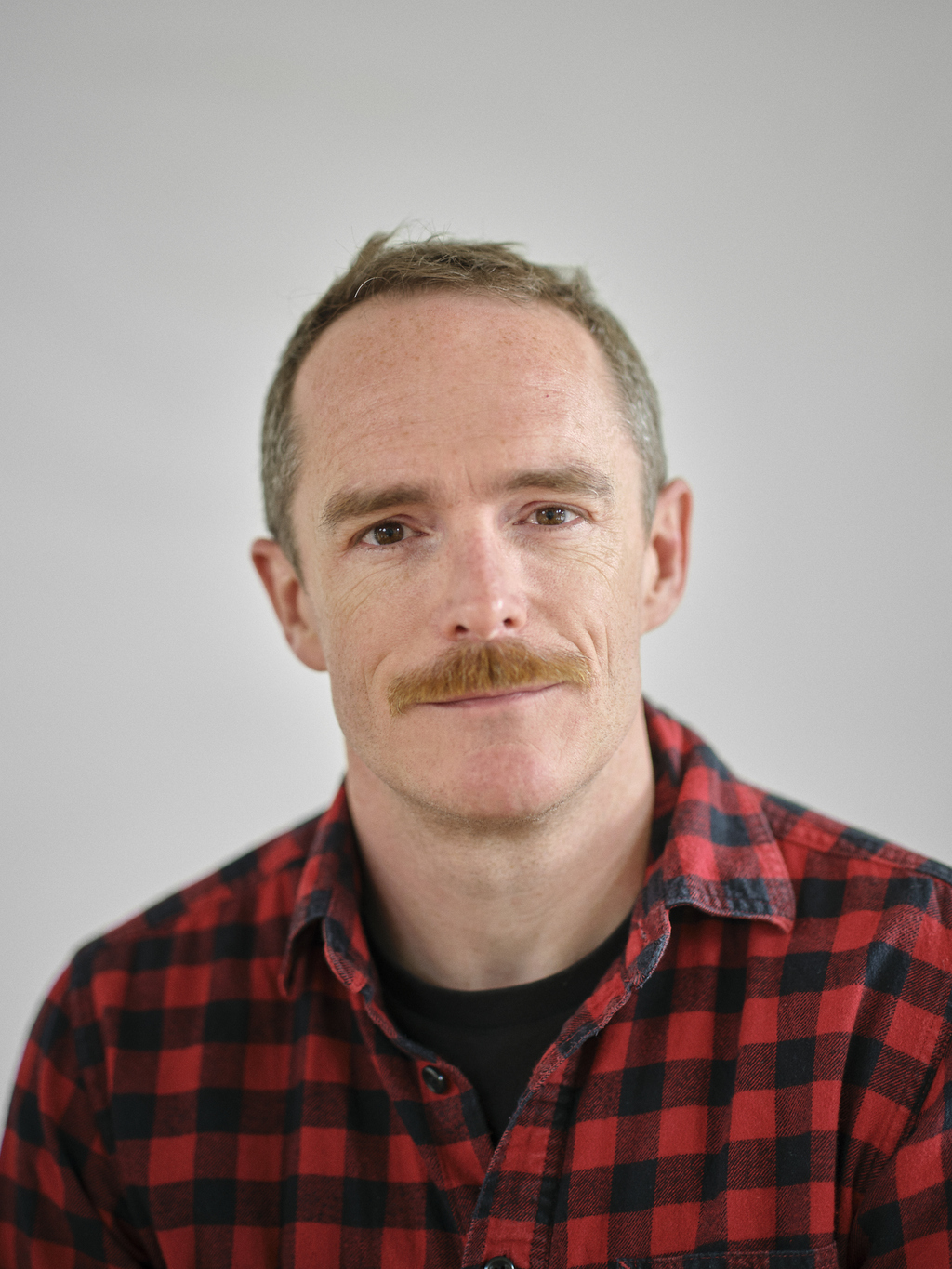
Arjun Basu: So before we get into what you’ve done and why you did it, what’s your background? What led you to the moment where Stack exists?
Steve Watson: At the point I started Stack, I was a magazine editor and writer. At that point I was editing the EasyJet in-flight magazine, so like the in-flight magazine for the budget carrier over here. That’s both like a really fun job and a pretty soul-destroying job. On the one hand, you’re flying off to places and staying in nice hotels and stuff, and on the other hand, wherever you go, you’ve just gotta say nice things about, like, everything that you see. And it’s very dependent on the advertising team.
Every September we had to do a story about MBAs. I’m not sure there’s another way to talk about MBAs. I was like looking around and I was getting worried because the only thing that I knew how to do was write and edit and journalism was changing really fast. And I remember like when I first started working on in-flights, I would sometimes try to get a kind of proper, big name journalist, writer to do something and they’d just be like, "No. Why would I want to do that for an in-flight magazine?" And by the time I finished we were getting pitched on a regular basis by proper big name writers because obviously like journalism was just changing so fast.
I wasn’t a big name writer. What was I going to do? And so basically started thinking, like, can I give myself another, like, set of skills or things to do by starting a business. And I bought a book called The Beermat Entrepreneur, which is all about how you go to the pub and you’re sat talking with your friend and saying "Oh, I’ve got this idea for this thing that I want do." And how do you basically go from that to actually making it happen? So I wrote like a few business plans that were probably like obvious nonsense and didn’t come to anything. And then Stack was the first thing that sort of seemed to make some sense.
Arjun Basu: Let’s describe Stack.
Steve Watson: Okay. So Stack is a club. Every month I find a different independent magazine and deliver it to our subscribers around the world. And the idea is that they’ve got no idea what they’re going to get next. That wasn’t really meant to be a big part of the sell in the first place. That just came from we need to make this an easy mechanism. I was still doing my journalism job when I started Stack.
It was in December, 2008, which I thought was in time for Christmas. It turns out that’s not in time for Christmas at all. No no. And that first delivery, I literally just carried a load of magazines and envelopes down to my local post office and bought a lot of stamps. And the people there hated me. It’s “What are you doing? This is not how you send stuff out like this.” So basically like Stack, it’s always been intended as a way to discover new stuff, like things that you wouldn’t have come across yourself and the whole like, surprise element is a thing that people have just responded to really well.
A lot of our subscribers are, like, designers, or they work in, like, creative fields. They want to have a steady flow of inspiration coming across their desk. But then we’ve got just as many people who just want to see something interesting. They just want to find a thing that they wouldn’t have come across. And so that’s the service that we provide.
Arjun Basu: The use of the word club is obviously interesting because that implies not just membership but community. That is a word and a trick that is used in marketing all the time. How much of a community is it as opposed to the second part, the latter people you described, where they just want to find something and new and interesting?
Steve Watson: The sort of people who want to receive this surprise magazine from us, they’re like a self-selecting group. These are people who want to be part of this thing. I wish that I could do more, make it an actual club where we all come together. And we do put on events. Last Thursday we were at the St. Bride Foundation here in London and we put on a brilliant night with four independent magazines that each chose two writers to read their pieces on stage. We had a great time there and then we all went to the pub next door afterwards and that was a really visible community. People together in a room.
The reality of, like, the fact that our subscribers are around the world means that it’s very hard to actually do that. We do a thing every month where we have a magazine club. And basically it’s just a Zoom call where people are invited to watch me have a conversation with the people who made the last magazine that we sent out.
So if you’ve just received this thing from us, really liked it, you want to know more, you can come to that and get the stories behind the stories and always try to encourage people to have their cameras on and to ask questions, and sometimes people do, often people like to just sit behind their black screen and that’s understandable too.
I would say we don’t do as much to make this a real actual club as I would like, but I think we’re probably doing about as much as we, like, realistically can, given that this whole thing runs on a shoestring.
Arjun Basu: We’ll talk about that in a bit but I’m curious how you choose the magazines that you send out every month. What’s the criteria?
Steve Watson: So the main thing, as I say, is people want to be surprised. So I have to make sure that when I’m planning the year out, we don’t hit the same subject matter more than once. Let’s say for example we just sent a food magazine out and there’s another really brilliant food magazine that I really love. I’m going to hold off on sending that for say six, eight, 12 months because I want to make sure that people are getting something different each time. Once you’ve adjusted for that, in terms of the variety, in terms of subjects.
I also try to make sure there’s a variety in terms of where in the world the magazines are coming from. I think it’s nice to have a variety in terms of, if we’ve just been really text heavy with something, try to be a little bit more visual, just to keep changing it up. Once you’ve added all of that in, it honestly chooses itself. The magazines that we’re working with, there are lots of them, but most of them don’t publish very frequently.
So most of them publish maybe once a year, twice a year. When you plan the year out and say, okay, these people are publishing here, they’re publishing here, the year draws itself basically.
Arjun Basu: You are on the independent magazine side of the spectrum of things. What makes an independent magazine independent?
Steve Watson: That is a really good question. So I go to a conference every year called IndieCon. It’s held in Hamburg and it’s an opportunity for independent publishers to all come together from around the world. And the first one, I think I’m right in saying was in 2014 and the entire weekend was dedicated to the question, "Vast ist indie?"
So they basically tried to put their heads together and come up with this definition because you are right. It’s very tricky. And actually there wasn’t a single definition that came out of that weekend, but the best thing that I heard there was, the chiefs are the makers. So basically the people who are financially responsible for making this magazine are also directly involved in writing or laying out pages or taking photos. And I think that when you take that as your definition. It’s not perfect.
You get, like, the Monocle problem: Is Monocle an independent magazine? In some ways, absolutely, yes. In some ways, absolutely no. So, according to this definition, I would say yes, Monocle is independent because Tyler Brûlé has got skin in the game on that magazine. And he’s also clearly very directly involved in the editorial of the whole company. So I think that’s useful because, also, it helps to take away the misconception of indie as just meaning somehow not quite as good: We’re an indie magazine, oh we don’t make any money, or, We’re an indie magazine, oh we’re really small. Like, it may be that you’re small, you don’t make much money—but you might make the most fantastic magazine in the world that I’m super excited by and want to send it out. So I think that definition helps to kind of take away some of those misconceptions.
Arjun Basu: I’m just comparing it to music. For example Depeche Mode was an indie band until they weren’t. Not because their music changed. REM, all of those bands, Nirvana, that was an indie band until they weren’t. And it had something to do with their reach. Movies, it seems, to be a bit more clear cut in terms of the studio system but I don’t think there is an obvious... I ’m going to have to think about what their definition is in terms of the skin in the game because that’s an interesting way of looking at it.
Steve Watson: The other thing I’d say about indie in magazines is, you know it when you see it. It’s very difficult to define it, but when you pick a magazine up and you can see that the people who are involved in it are making this magazine because they love it and because there’s something that they care very passionately about and they want to have that preserved in ink on paper, that, beyond any kind of definition of indie or not, that’s what I’m looking for. When you can just sense the kind of passion and dedication coming through something. Obviously that doesn’t mean that it’s going to be a good magazine, but I do think that’s a very good filter to put in place to see if you are going to get something good.
Arjun Basu: Like Condé Nast couldn’t do an indie magazine even if they made it look indie.
Steve Watson: Exactly. Exactly. Exactly.
Arjun Basu: Although they could obviously make a good magazine. You’re in a good position, I think, to comment on the industry and what you’ve seen. You were in it. It’s changed a lot. What are you seeing now? What’s your quick response?
Steve Watson: So obviously there’s always been food magazines. But I think there’s a real interest at the moment in food magazines as in hospitality, and the people who are working to make all of this happen.
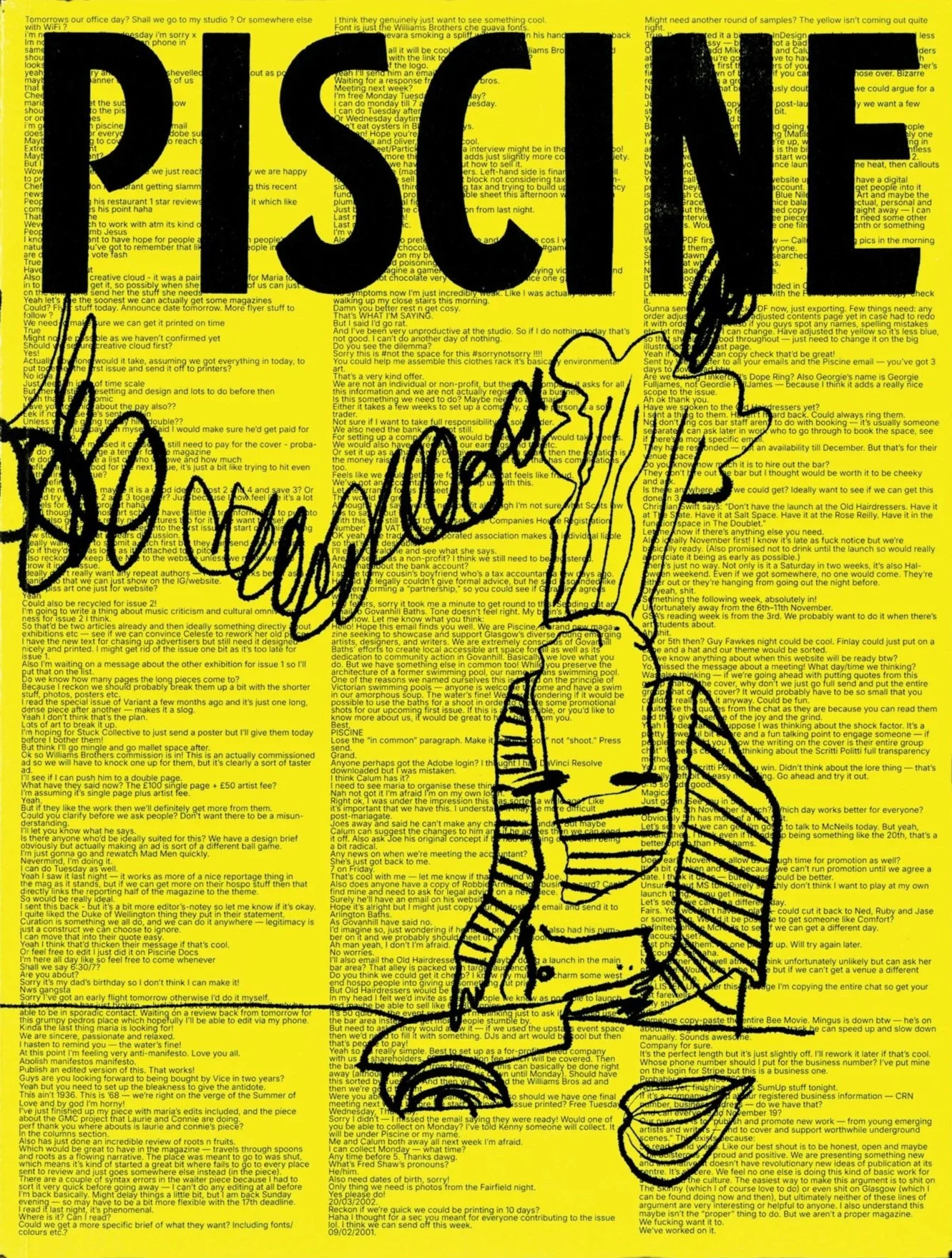
In fact, the magazine that we just sent out this month on Stack, have I got my copy here? yeah, here we go. So this is the February delivery. It’s called Piscine. And it is published in Glasgow. It’s an arts and culture magazine in Glasgow. But all of the people who work on that magazine work full-time in the city’s bars and restaurants.
And the theme of—
Arjun Basu: There’s one in New York now called—
Steve Watson: I was just going to say, I also have Waiting, knocking around here as well. I was just emailing with Elliott earlier today. And what is it? Is that because we’ve all seen The Bear and we’re suddenly like, interested in it?
Or is it because, I guess, food was like that kind of archetypal Instagram content where it’s the cliche, people like taking photos of their food, but obviously that only gets you so far. So now are we trying to get deeper into this and understand the mechanics of how it all works?
These are the things that I think independent magazines do really well because all of these magazines, no matter how small they are, they want to bring you into their world and show you how they see things and give you that very intimate, quiet experience. I think that there are lots of things they don’t do very well. That’s one of the things they do very well.
Arjun Basu: Food is interesting and there’s a lot more food-adjacent, food-anthropology and travel magazines also are branching out let’s just say. And you mentioned Instagram and I think that’s a very an important part of it, because those are two subjects that overrun Instagram if your algorithm lets it. So the reaction has been to get very specific in those areas. Those old travel magazines, they had a demographic that they were catering to, but there were general interest magazines that happened to focus on travel and now travel magazines get very specific And then you have where travel and food intersects, something like Fare for example. What is it? Is it a travel magazine or is it a food magazine? I don’t know. I think they’re all reactions to what digital has wrought.
Steve Watson: Absolutely, and I think they’re also reactions to that 20th century model of magazine publishing, which, I think, we all still now, 25, 26 years into the 21st century, we’re all still living in the shadow of the 20th century. And that kind of expectation of, This is what a magazine should be. A magazine should have x many thousand subscribers because that’s a proper business. That’s how you do a magazine. And then the magazines that I work with, they’re not real, they’re like playing somehow. And I think that we’re in the wild west of this. Now we’re in this epochal shift between the mass media age that depended on print and into this new mass media age that is digital, where everything’s becoming atomized. You said before, like your algorithm, your Instagram algorithm’s different to mine.
So we see different things. And I think that these magazines are a response to that. Like, okay, we can’t make a big magazine with tens or hundreds of thousands of subscribers, but we can make this smaller thing that could still be a sustainable business and still gives us this way of sharing the world.
I look at Piscine and this is the same magazine as you look at when you read it. I think there’s something valuable there in this kind of shared experience of the world.
Arjun Basu: I think there’s a renaissance. There’s two things happening. One is a reaction to trust and what we can see on screen. And now with AI, if we can really trust anything we see or hear or read. But the other thing is, I think there’s a fatigue. Because of the relentlessness of our digital feeds and our lives, the way we live them, people are coming back to a certain extent to magazines. It’s not just nostalgia. It’s not under the term analog that we hear a lot. We hear people wanting human touch, events and things. So what is it?
Steve Watson: Good question. Look, I totally agree. I think nostalgia is probably involved to a degree. And that’s no bad thing. When it comes to the question of trust, I think it really helps. We all know implicitly that print is archival, and if you print a magazine, you stick it on the shelf. That thing’s going to stay there for longer than you are alive. Once that exists in the world, it’s in the world. So means that there isn’t that immediate deniability that we just see across so much of the world now where, one side says one thing, the other side says another, and everyone can just call you those liars.
If you’ve written something and printed it and it’s on record, then that’s there. And I think that also means that, as the editor, we’ve all been in that position where you’re about to send something to print and you check and check again and make it as perfect as you can.
So I think that all of that really helps with the trust. When you publish something online, it can just be changed or taken away, or a server degrades and then that doesn’t exist anymore. So I think that’s something that we’re becoming more and more aware of. I think the other side is, and again, I think this is to do with the fact that we are literally living through this in the moment and we are not able to step back from it and see, but there’s all this anxiety at the moment with attention spans going down. Young people are not able to focus on something. But honestly, when I’m reading on screen, I’m probably trying to get through to the useful bit or the thing that I want. Because that’s how reading on screen works. You have a single linear, top to bottom scroll that encourages you to just quickly try to, and the internet is built for speed. It’s built for delivering to you, as quickly and efficiently as possible, this piece of information, whereas the printed page, and particularly the magazine page, been designed to lead your eye in, and I think that’s where you get the relaxing experience.
There’s a piece of research that was done by Xerox in I think 1996. The Coming Age of Calm Technology. In that paper they’re talking about how computers are getting smaller and there’s going to come a point where all computers are talking to each other and they’re going to need to talk to us as well. And that will be completely overwhelming. So we need to come up with this thing, calm technology, and they define it as technology where the focus, the focal point, is able to move from the center to the periphery and back again. Because the point that the researchers were making was our brains have this enormous capacity for processing peripheral information.
You don’t have to think about what’s happening around you. It’s just there. In the paper, the experience of reading The New York Times on a Sunday morning, and how, like, you open that up and without trying to focus on any one part of it, your brain, just in the same moment, takes in, like, the picture and the headline and, like, maybe a tiny caption down here and, like, the fonts and everything. That technology, the printed magazine, has been with us for 300 years and it has slowly evolved over time to work with the way that our brains function. Whereas our phones and our computer screens have been with us for like 20 to 30 years and we’ve just been told like, look, this is the way this works. Get the information quickly. So much of our anxiety about today and, like, the speed of it and our lack of contact, I think comes down to the way that we experience the world through these screens. And by the way, that’s absolutely not to say that, like, screens are bad.
I spend, like, all day looking at a screen, like it’s very useful, but it’s a tool for a specific job. And when I get to the end of the day and I want to relax and I want to, like, ease into a story, I would much rather be reading that on paper than reading it on screen.
Arjun Basu: Every marketing deep dive has shown that the engagement of print is off the charts.
Steve Watson: Perfect.
Arjun Basu: Because the screen is, like you said, it’s about delivering quantity as opposed to quality. And one of my favorite notions of this is that on Netflix, a lot of the scripts now, a character has to basically say the plot every once in a while so that people remember because they’re not just watching the movie. They’re also on their phones or their laptops or whatever, and they’re going all over the place, so they have to reiterate the plot point. Like how we got to this point, over and over again and it’s changed screenwriting. That’s like the main difference between a movie that is written for Netflix and a movie that is written for the big screen because of the attention. Magazines, anything in print, the engagement is higher.
And yet, like you say, we are all on screen. We’re doing this on screen now and it’s the only way we could do it.
How different is the industry now? You’ve been doing this now for almost 20 years – I don’t want to make you feel old – but that’s how long you’ve been doing it. And that’s a long time for anything. Any media that lasts that long is doing something. So how has it changed, do you think?
Steve Watson: I see the similarities. Way back when I first had the idea for Stack I was writing for a magazine called Little White Lies, which is a movie magazine. Back then they didn’t have money to pay writers. So instead you just got invited to the party when it launched and we became really good friends.
I went to their weddings. They came to my wedding. We’re still in touch now. When I ran the event, the guys from Piscine were there and they’d come down from Glasgow. Seeing them with each other was like I remember it was when we were making Little White Lies together and you are working with people who you, like, really respect and you really have a great time doing it together. And I think that’s still the thing. That’s the thing that I get excited about when I read it on the page and that’s what I want to share. While so much of the world has fundamentally changed in the last 20 years. I think that core thing, the thing that makes a piece of print interesting to me, is absolutely still the same.
Arjun Basu: So then, maybe I can ask that question in a different way. What have you learned in the past 18, I’ll be fair.
Steve Watson: 18 years.
Arjun Basu: Or what has surprised you even? Learned, surprised.
Steve Watson: I think one of the things I’ve learned, and I guess this is probably more about running business than it is about print necessarily, I’ve learned that there’s never a silver bullet. There’s never one thing that you have to do and then everything will be different. I know that intellectually, but I don’t know that emotionally. And I can’t help myself going, “Oh, but what if we could do this thing? That would change everything.” Like, that would be the thing.
And actually, I think on the flip side to that, actually what you need to do is just keep on turning up and doing it and try to figure out, like, what is it that people are responding to? Don’t get obsessed with analytics. Obviously that can be interesting, useful, but, don’t try following, Instagram says that it wants you to do, like, short form videos, so, like, immediately do short form video.
It’s more like trying to figure out, "What’s the thing that I can do, genuinely and sincerely?" And think that I’m doing something useful or entertaining or whatever it is. Just trying to stay on track to do that thing. I think that’s the only thing that I’ve kept doing the last 18 years.
Arjun Basu: Just showing up is a great business lesson actually. Just show up and do it. What about Stack? What’s the future look like for Stack? You’re pursuing new initiatives, you aren’t just a magazine club, you have podcasts, you started a new newsletter. So what’s up there?
Steve Watson: I didn’t do video podcasts for ages because it made me really angry that Spotify and YouTube had decided they wanted to get their fingers in that. But honestly I just found with our podcast it wasn’t doing what it used to do. I think there comes a time where you say, okay, the world has changed, so I need to change now. Like I put up the whole episode of all of our video podcasts. I’m pretty certain that about eight people in the world have actually watched one of those things all the way through. Who would sit and watch a whole podcast? I don’t understand. But the thing that the videos have given us is, like, short shareable content.
That’s what was driving me mad before. You put all this time and effort into having a conversation with somebody and I want to then tell as many people as I can about this thing. And I felt like had shifted in such a way that put the podcast up and then it just faded away. There was nothing there.
Whereas now, I pull out a couple of, like, short shareable video bits and that goes on, like, Instagram and YouTube shorts and TikTok. And actually that makes a difference. There’s more of a response from that. So that has been, like, a valuable thing to learn, and it involves me doing something that I’m not thrilled by, but fine, it’s right for the project.
The newsletter that we started, I was frustrated by the fact that there are so many great magazines out there and with Stack, we get to share 12 of them over the course of the entire year, which is not enough. The idea was to start a new thing that allowed us to extend the reach. I choose two stories per week and send them out via email. We use beehiiv for that, which is, like, really super simple. There’s no algorithm in there. It’s not playing the Substack game basically.
I’m really pleased with what we’ve done in terms of the stories that we’ve shared. There’s great stuff in there that’s really gratifying to see it in front of more people. I thought at the beginning it would be hard to get people to pay for it because I know that I don’t pay for many newsletters. I’m pretty careful about that. I did think it would be easy to get people to sign up for it because with Stack I’m used to saying, it’s £12 a month, it’s $20 a month. So I thought, we’ve got loads of great stories here and you can have them for free, just sign up. And that’s been way harder than I expected. And to be honest, our conversation today talking about digital fatigue and the difference between reading something in print and digital, that is probably a good indication for why that is so hard. But I still think that there is value in making it super easy for someone to see this great story from an independent publication. That’s another nudge in the right direction towards okay, maybe I’ll go and read this magazine in a shop. Or the next time I’m in a shop and I see it, I’m at least familiar with what it is. So I think it’s playing a part. I’m used to working in print and that’s tough. And it turns out that working in digital is also tough.
Arjun Basu: All media is tough. We have the video conversation here from time to time. The irony of talking about digital fatigue in this medium when I know how it’s being delivered to people. Podcasts went from being radio to talk shows right? They are talk shows now, at least on video, that’s what they’ve become. So everything’s fluid. I guess that I always think magazines are magazines. I wonder what the future is? You talked about this shift that you’ve noted in food and travel, for example. We never know what the future looks like until the change happens but what is bubbling underneath in terms of the magazine industry do you think?
Steve Watson: Earlier when I talked about the food magazines, that was me going super specific on a thing I’ve noticed recently. I’d say a broader kind of trend that I’ve seen over the last decade is, I see more magazines these days which are smaller, lighter, made with thinner paper. And you can see the sort of logic of it. Back in the days of like Cereal and Kinfolk, when the cliche of the independent magazine was like this big object with beautiful, thick paper, loads of white space. I think that was people responding to what had happened to magazines as a whole where magazines had consistently got, like, smaller, thinner.
Tyler Brûlé has that thing about the consultants coming in and saying: “Oh, it’s fine just reduce the GSM by 20 grams, it’ll be exactly the same”, but obviously every reader picks that magazine up and goes, "Oh, this is not as good as what it used to be." So at that point, a lot of independent magazine makers were saying, "I just want to make the most beautiful thing with the thickest paper," and feel like now we’ve moved further over towards we’re in a world now where I think people are more aware of the environmental impacts of what they’re making.
Paper is more expensive. We all are much more aware of the emissions taken to move a thing around the world. So I think that all of that contributes towards the idea that someone might want to make a smaller, lighter thing. And that’s actually really interesting because then it comes down to: so what are the ideas if we’re taking some of the attention away from the physical production of the magazine? If I think of, say for example, The Fence, a magazine that’s, like, really flying over here at the moment. That’s like super simple production. Saddle stitch, silk stock. All the value is in the writing and the illustrations, and I find that really exciting. So I guess maybe we’ll see that as a path that we continue down over the next few years.
Arjun Basu: I could say a lot about what you just said, but the other thing is the cost of shipping.
Steve Watson: Huge. It’s ridiculous and it just continues.
Arjun Basu: A lot of people I’ve spoken to on this show in the past few years bring up distribution or shipping at one point. It’s just become so impossible. Consumers never paid for the cost of a magazine anyway, but they really did not pay for the cost of shipping ever. You sub to a magazine and it just magically appeared, but when you really broke down what you were paying for, there’s no way that they were even covering the shipping with that subscription.
Steve Watson: To get, like, dark for a minute I think that this is also part of a broader trend. I grew up in a world where it was just expected that you would be able to move across borders.
Growing up as someone in Britain, I thought that I could go pretty much wherever I wanted in the world. Running Stack, I could send my magazines wherever I wanted in the world. That is changing at a rate of knots. It could be like Donald Trump putting tariffs on stuff coming into the US. It could be the EU introducing the VAT. At the moment, EU countries, individually, are deciding whether they want to add an extra charge on top of, and all of this stuff for a small business like ours, can’t tell you how much time we spend putting everything in place to jump through the hoops for the EU so that we could send our magazines to our customers and they wouldn’t be charged on the doorstep. And we spent a load of money on it, and people still got charged on the doorstep because the system wasn’t in place. And so we lost loads of subscribers through that. It got better.
But now we’re seeing it happening again because we’ve got this thing of the country deciding whether they want to put charges on stuff and it honestly is so frustrating, it’s so regressive because nobody can give you an answer about what’s happening. And I do feel like we’re living in this age where the grownups all seem to have left the room. In the meantime, a bunch of small businesses are going to suffer. It’s genuinely really tough.
Arjun Basu: Speaking of other countries, what countries are doing interesting things in the magazine world right now?
Steve Watson: Ah, gosh. In China there’s just the most fantastic print and production. And so you know, I feel like whenever I go off to an international conference or something, there’ll be a Chinese-made magazine, which has just got the most beautiful hand finishing or print process or something that’s a real advantage.
They also then have, okay, if I’m complaining about the EU, like they have a much more repressive system they’re working with, so that brings its own problems. But I think, when publishers over there can get around that system, there’s great resources over there for them to make really good stuff. Eastern Europe and the ex-Soviet countries. Really interesting. Solomiya in Ukraine at the moment, they’re just doing amazing work literally in a time of war. The sort of thing that again, I just never thought I would see this happening in Europe ever again. The assumption was, like, that’s all done, but we are really forgetting the lessons that we learned and I think that, Solomiya literally in it.
But then there’s stuff at the moment coming out of Estonia, like the Balkan countries, which is motivated very much by them trying to come to terms with what is our national identity? Because Russia and Soviet times still play such a strong role in that. What does it mean for us to be so close to this big aggressive neighbor? So yeah, I mean it’s making for interesting stuff.
Arjun Basu: What’s the magazine capital, or is there one?
Steve Watson: I’m sitting here in London, so I have this very parochial vision, which says London, and London’s definitely.
Arjun Basu: I don’t think it’s parochial. It does sound self-serving because you’re there. I would say it’s London, but I want to hear why you think it is
Steve Watson: So we put an event on at St. Bride’s last week, and that’s literally like on Fleet Street. In the basement they’ve got amazing presses that were the printing presses that were being used in, like, the 18th century to make stuff. So there’s a very direct connection there with the history of print. I would say as well that I’m, like, totally bowled over by stuff that’s coming out of America in general.
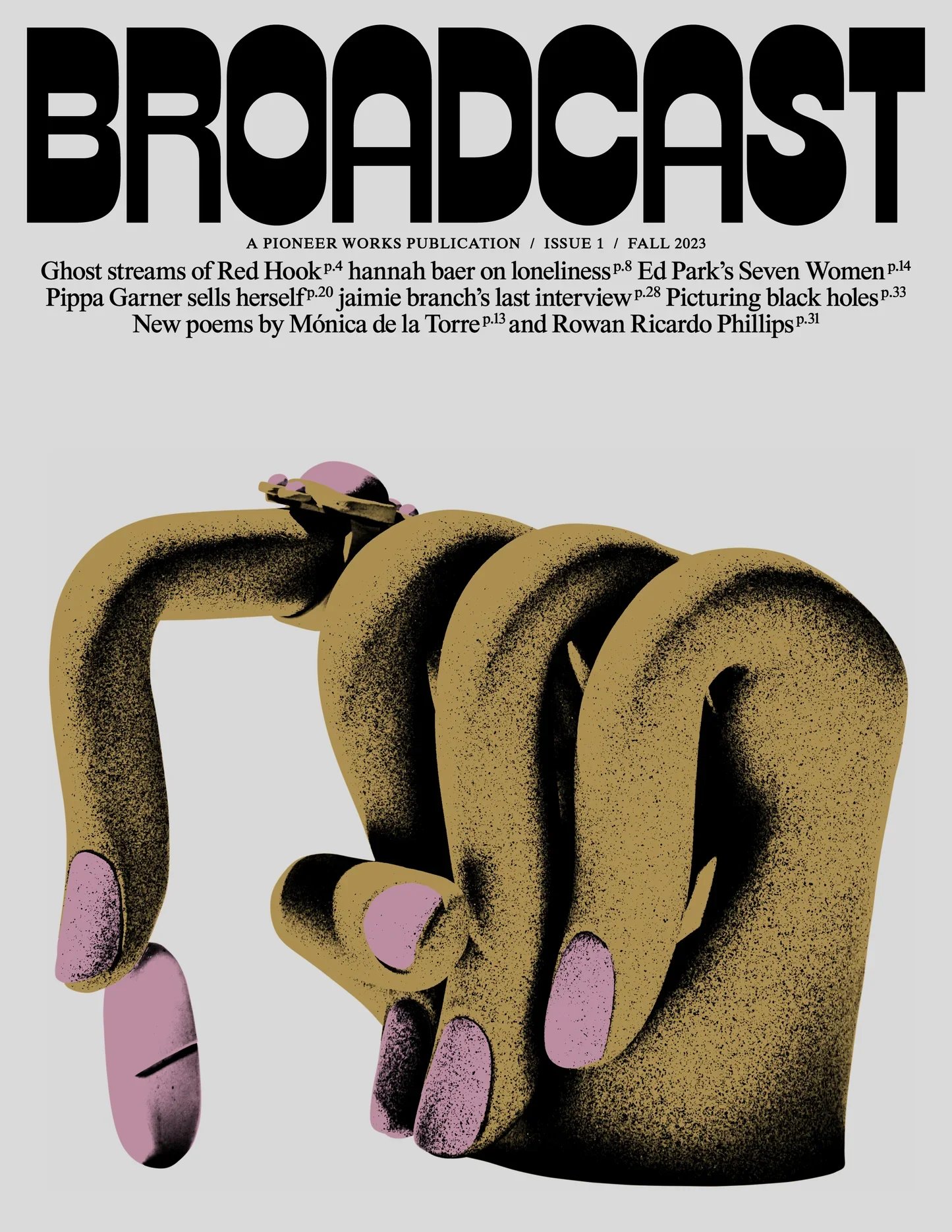
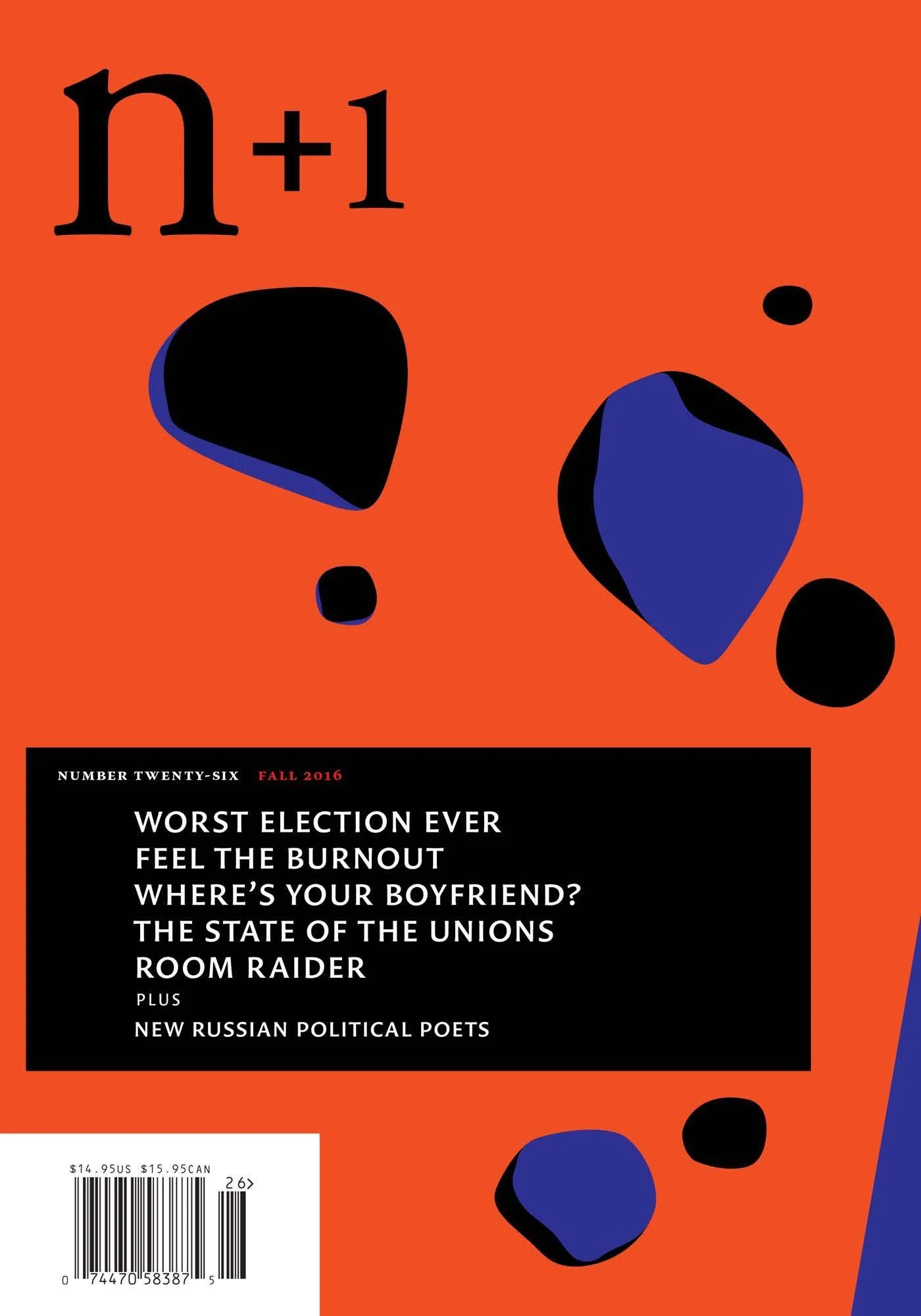
I think that a lot of the most interesting, particularly more, not that they’re literary magazines, but they have that kind of literary ambition. I’m thinking of like Broadcast or Mother Tongue, oh gosh, N+1. New York clearly is like a massive hub and London has that very long heritage of print. And I think that, yeah, America more generally, I think is doing really great stuff at the moment.
Arjun Basu: What’s your favorite magazine of all time?
Steve Watson: There’s the one that really got me into it in terms of gave me my start, which is Little White Lies. And I think that Little White Lies is still running now with a different team. I think that Little White Lies of what would that be the mid 2000s’ when Matt Bochenski was the editor, Paul Willoughby was the art director, Danny Miller was the publisher. I think the three of them were doing something really special at that point.
Before that, really loved Zembla. I know that’s one that gets mentioned a lot. I used to go to Magma, which was the shop near me, and at the back of each issue of Zembla, they’d have the next issue coming and the dates. And they were always just like fantastically late with it.
And I’d go in and, "Is it there yet? Is it there yet?" And that anticipation of waiting for something and then devouring it on the way home, that’s a very strong magazine memory.
Arjun Basu: What are the three magazines that you recommend now?
Steve Watson: I just mentioned Broadcast. I think that they do genuinely, again, an amazing job. And I think it’s interesting that, so they’re published by Pioneer Works in Brooklyn and the whole point of the entire space—I’ve never been there—but it’s kind of an arts venue. They have writing and musical residencies, they put on exhibitions and talks and stuff. And then they publish a huge amount of stuff online. And the whole organization is run by artists and scientists. And so the whole kind of point of it is basically bringing that together to help people see the world differently. And the magazine I think is just so well judged and well done.
What else do I think is great? Again, I’ve mentioned ’em already, N+1 I think are doing amazing work. And I’ve got my subscription over here and I know that when that arrives that’s going to be me for a good few hours. There’s a lot of value in that.
And then I’m going to say Piscine as my third one because it’s, like, the total opposite of those two. If those two magazines are run by organizations with people who’ve been doing it for a long time and they have a whole kind of machinery behind them, Piscine is just a bunch of friends getting together and doing something beautiful because they love it. And yeah, I think that’s something that I really want to help more people see.
Arjun Basu: It’s been great. I encourage our listeners to visit Stack. The links are on our website. Steve, thank you for the conversation.
Steve Watson: Thank you so much Arjun.
Steve Watson: Three Things
Click images to see more.
More from The Full-Bleed Podcast