
A conversation with Heidi Saman, editor of Seen. Interview by Arjun Basu
—
THIS EPISODE IS MADE POSSIBLE BY OUR FRIENDS AT FREEPORT PRESS.
When you chat with a filmmaker who has become a magazine editor you start to note the parallels between filmmaking and magazine making that you never considered before. Ok, that I hadn’t considered before.
The relationship between editors and art directors, and the relationship between a director and cinematographer, well, that’s actually almost the same thing. Editors and writers. Editors and actors. Copy editors and film editors. On and on. It’s uncanny.
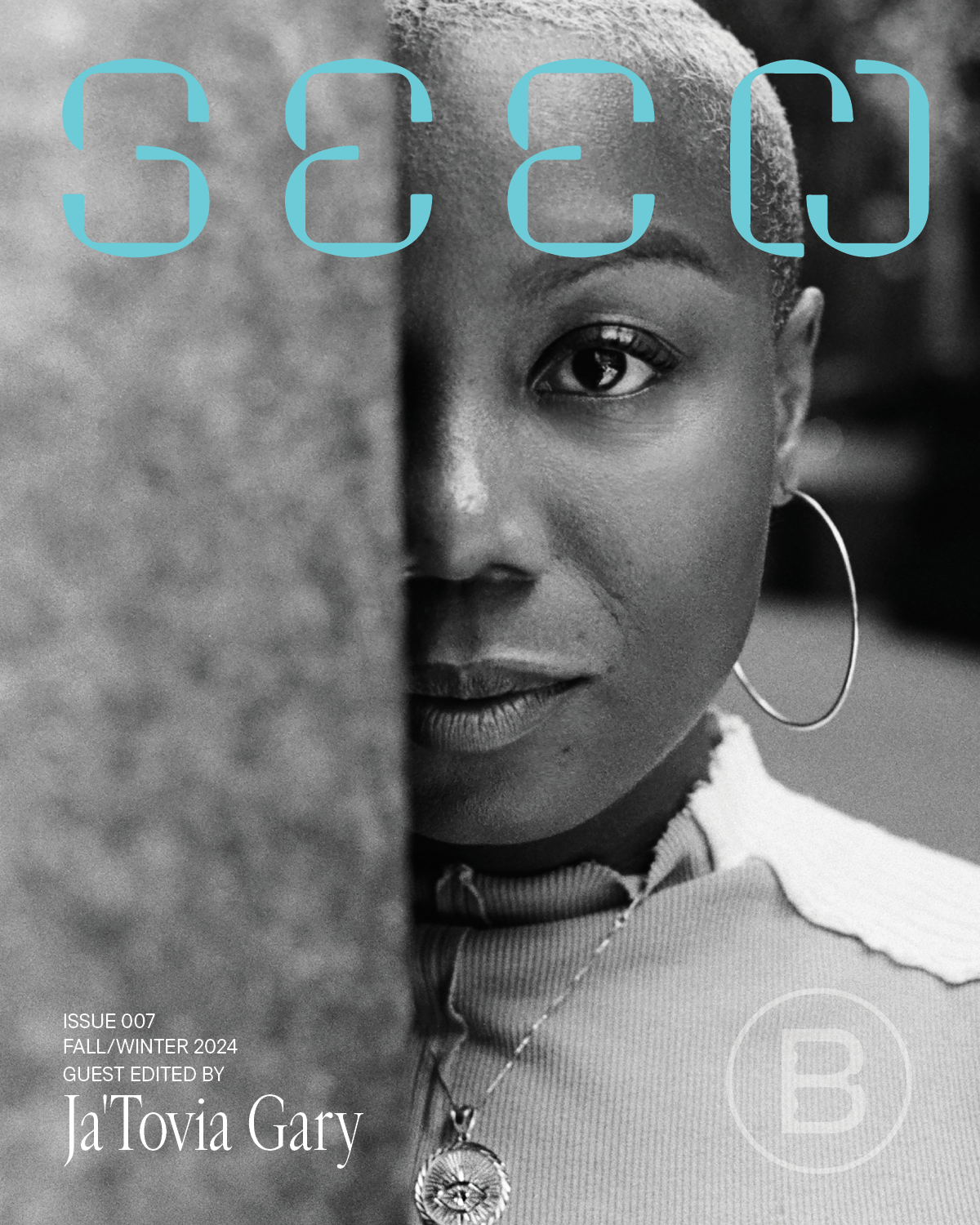
Seen is a magazine about the art of film and filmmaking that comes from BlackStar Projects, home of an annual film festival in Philadelphia and a creative space that “uplifts the work of Black, Brown and Indigenous artists.” Seen grew out of the program notes for the festival and it is everything cinema magazines used to be: thorough, intellectually stimulating, challenging.
Heidi Saman, the editor, trained as a film maker and then worked at Fresh Air for over a decade. She doesn’t come from the magazine world. But she’s a storyteller. And after you listen to our chat, you, too, will see, perhaps, that making a magazine is a lot like making a movie.
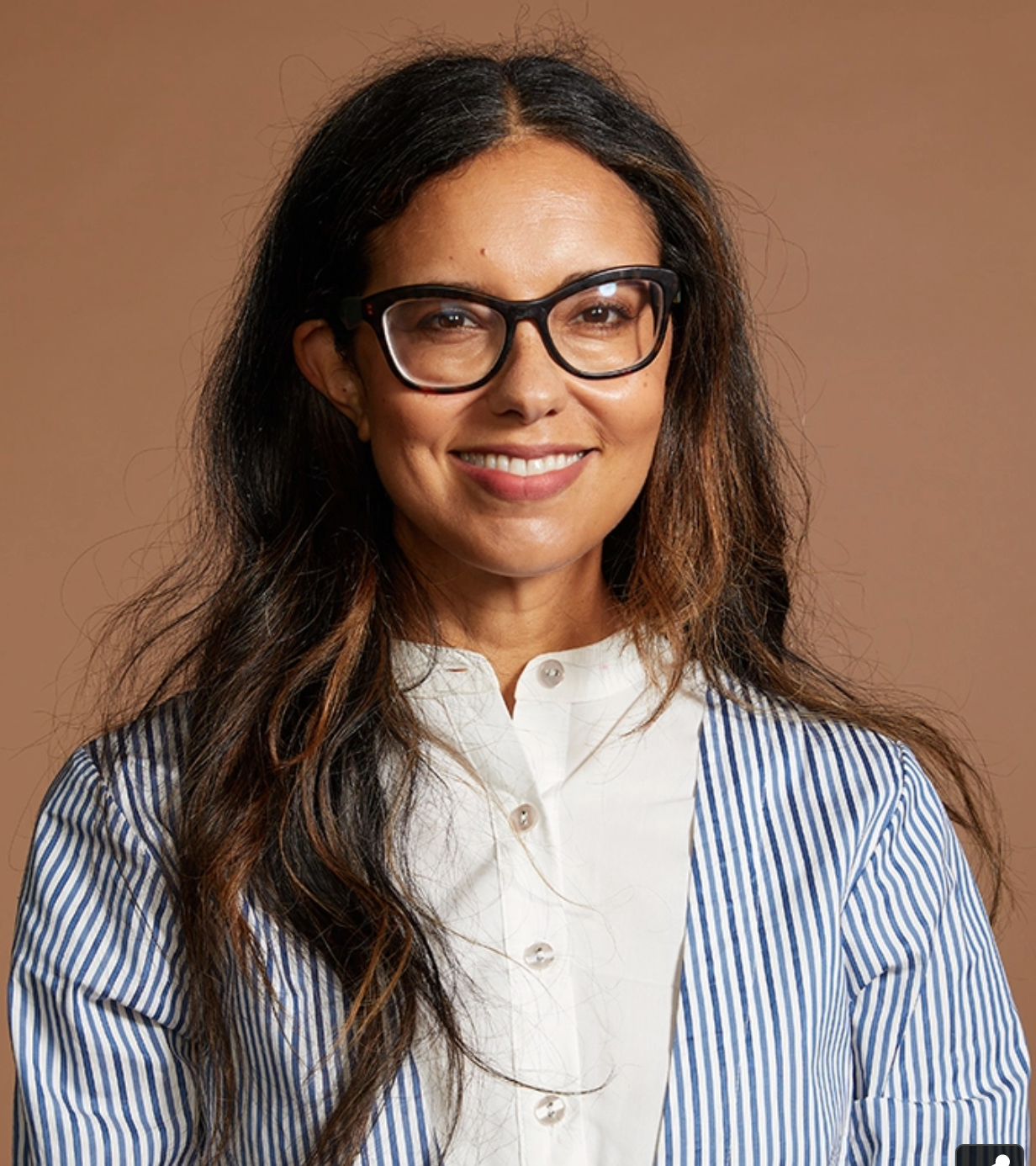
Arjun Basu: So tell me how you got here. You’re a filmmaker. A lot of editors of magazines take circuitous paths to their current job, and I know being the editor of this magazine isn’t your only job, but you started as a filmmaker. So how did you get here?
Heidi Saman: Yeah I’ll start by saying I feel like a bit of an imposter in the magazine world. So I’m honored that you think I’m worthy of being interviewed for this podcast.
I really began my work as a filmmaker. I went to film school and started thinking about writing from that angle. At the time I was also considering journalism school. So I was clearly interested in narrative. I just didn’t know which shape I wanted it to take. I’ve had a double life for many years.
I graduated from film school. I did an MFA from Temple and had a pretty successful thesis film that I actually shot in Egypt where my family’s from. And it premiered at Cannes. It was in competition and it was a big moment for me. But I also had this immigrant-child-of-immigrants feeling of I have to have a career and I need to make money, and how is this going to work? At this time this film was going around festivals.
I was also working as an associate producer at my local PBS station, WHYY, in Philadelphia. So I transitioned to radio and became a producer for Fresh Air with Terry Gross, and I was there for a very long time.
I still work with them and fill in when I can, when I’m able to. And then also made my first feature while I was at Fresh Air, I made a narrative fiction film and have just always been curious about cinema. I’m curious about making it, but I’m also very curious about reading it.
I have film friends who are critics. I just love absorbing what’s going on, cinema and movies and just writing in general. I’m a reader. I feel like one of the big jobs of being a filmmaker is that you have to have an input for everything. Like you have to be a reader, you have to be a journalist, you have to be understanding the news.
It’s a job that it requires a lot of inputs. And when this opportunity came, to be the editor in chief of Seen, I’ll admit I don’t know if I’m like the perfect person for this, but I think my editorial skills that I honed at Fresh Air, and obviously, directing episodes of television and all of that, gave me a point of view. I forget that’s the larger thing, is that I have a very clear point of view actually. That’s the thing I really believe in. And so that to me has been my guiding force at the magazine, at the Journal. And yeah, I don’t know if that totally answers everything, but that’s a kind of summation of how I got here.
Arjun Basu: The thread that runs through those three jobs you mentioned is storytelling, and the one thing that I used to tell editors or people who want to go into editing is that your antenna always have to be up. And that’s true of your other two jobs as well. But I want to go back to Tara Gross. Fresh Air is just such a great show. The storytelling that she can do through a Q&A format is second-to-none. Again, you’re a filmmaker, so you have that storytelling chops, obviously. What did you learn as a producer of something like Fresh Air that has impacted what you bring to Seen?
Heidi Saman: I was at Fresh Air for 14 years. I’m producing an interview for them next week, so I still dip in there because they’re family to me. And I learned a lot from working at that show.
First of all, they’re nerds about culture. Terry and Danny—former executive producer, he just departed—they are just, they love cinema. So I just we would talk about movies a lot. And I think as a kid who did not come from any—no one in my family did movies, no one in my family, like absorbed culture—I think in some ways I just loved being in the room, where I could be part of the conversation. And so what I learned from them is it sharpened my filmmaking habits. I was on the entertainment beat. There were two producers on the entertainment beat.
So we are watching a lot, and getting pitched all the time. And so I learned how to watch movies in a particular way. Obviously, the movie isn’t perfect, but you can see the interview is there.
And so the craft of that I honed of just it’s an imperfect film. But there’s a really good interview here to be had of understanding why a guest is compelling. Of understanding the arc of an interview. I think a lot of what I learned at Fresh Air—because we would take an interview that was two hours, sometimes 90 minutes to two hours—and condense it to 45 minutes, condense it to 30 minutes.
You’re trimming answers, you’re connecting questions, you’re essentially rewriting. It’s script writing, so I think that very much enhanced how I think about narrative arcs and scripts. Terry is also brilliant and comes at it with a very clear chapter marks and demarcation.
So I learned about just the arc of an interview. I always see an interview similar to stories of as a parabola, right? It has to lengthen and deepen at the same time. So how do you create that shape in the interview? How do you create that shape in an episode of television in a script?
That’s something I honed as well. The curvature of a story. I honed my taste. Terry has talked to everyone, and so I would pitch people and I would get turned down constantly, because she’s really hard on an interview. What am I going to talk to them about? She’s talked to so many people. Why is this person important? What are the angles? What are the clips of a gigantic career? We interviewed people with huge careers. How do you pick the scenes to choose from, to elaborate on a chapter and how does that chapter touch their personal lives? It was a lot of skills that I just didn’t have before I started working at the show.
Arjun Basu: Yeah, and a magazine is a book, right? And it has to have a beginning, a middle, and an end. An arc, a parabola, as you said. There’s a thread, like your imposter syndrome, I understand it, but there is a thread between what you were trained as, as a filmmaker, and what you do now. Before we talk about Seen, we haven’t even talked about the magazine yet, tell us about Black Star projects. What is that?
Heidi Saman: So Black Star Projects initially started out as a film festival that takes place in Philadelphia. It was designed for filmmakers of color. Black, brown, indigenous folks. It started 15 years ago. And the festival expanded in 2020. It turned into Black Star projects and we added a filmmaker lab and a filmmaker seminar and just other components. And we added Seen.
And so Seen was a journal of a film and visual culture that comes out twice a year and originally came from the program guide of the festival. Everything we do at Blackstar is very thoughtfully curated and frankly beautiful. And people were curious to see more of this program guide because it had really great pieces and they were just essayistic and, just, it was just beautifully done.
And I think that was the kind of starting point for Oh, what if we expanded this into a journal where we thought about criticism and it was rigorously edited? We had section editors, we have a copy editor. We have this very thoughtfully prepared, curated magazine journal is what we call it, but I also see it as a magazine. And that is essentially how Black Star Projects was conceived and the journal as well.
Arjun Basu: So on the website you are listed as the program director so I imagine you have, let’s just say, your day job is programming the film festival?
Heidi Saman: Actually, no. So we have a festival director and I’m the program director for everything besides the festival. Not everything besides the festival, but I program the filmmaker seminar that we do out of Stanford, the filmmaker lab. I run that. And then I also oversee Seen, which is considered an additional program to the festival.
Arjun Basu: You talk about Seen coming out of the program guides and there are program guides, especially for festivals, where they’re like books. They’re just thick. Is that what we were looking at then? That they were just these massive things and there was an attempt to formalize them or was it just a seed?
Heidi Saman: It was the seed. It was the seed of it. It wasn’t what it is now, which is just like a kind of a heavier, thicker, you know, book, you would call it. But it was the seed of it, I think it was the level of editing. It was the level of the pieces. It was who we got to write in there.
I shouldn’t say we, because I was not a Black Star at the time. It didn’t feel like a regular program guide. It felt like something you wanted to keep and just keep referring to, and that’s often how we think about Seen is that it’s something you’re going to return to.
It’s not only like this beautiful thing that you want to have on your coffee table or your bookshelf, but it’s something that you want to come back to it. You may not get to every article in one sitting, but that’s okay.
Arjun Basu: Did they call you when there was an idea of a magazine or when they wanted to expand the offer at Blackstar?
Heidi Saman: Yeah.
Arjun Basu: What did they hire you for?
Heidi Saman: Maori, who created Black Star, Maori Karmael Holmes, I went to film school with her. So in many ways, and She gave me my tour of Temple. So I have to say, and we’re both California girls, and I say this because I feel like there are people in our lives that are a step ahead of us who see you before you see yourself. And she is one of those people for me. She had an early iteration of the festival called Black Lilly that I participated in, and we’ve just always been in each other’s lives, in each other’s orbits, kept in touch, interested in many similar things.
She’s a historian too. Her curiosity is deep, and I’ve always admired that about her. She’s always thinking about the artists to come, but also the artists that have preceded us and she just is great at what she does.
When this job came up, we are now in our 10th issue, I came in issue seven. It had established itself and we had, like, editors in chief before or one editor in chief, namely a managing editor prior to that. And that’s when I stepped in.
Arjun Basu: What is the relationship between Black Star and Seen? Besides the obvious ones, what we’ve talked about, is it a case of you wearing a few hats or is it like one big hat. Is there constant communication?
Heidi Saman: Seen is a part of Black Star and what I do is very much considered a program that is part of Black Star. There’s no question about that. I obviously wear a couple different hats, but Seen is the largest one and it’s the heaviest one.
Because it’s so massive, where they all kind of converge is... our filmmaker seminar that we do is really it’s curated, right? So I’m thinking about artists, I’m thinking about writers that we have. I’m thinking about critics. So that is where there’s a nice convergence, is because my head is in that world, so it’s not difficult for me to cross over and curate and help program a seminar because I’m already thinking about those similar things. And then the filmmaker lab, I’m quite attuned to, because I’m a filmmaker, what we do with that is we choose four filmmakers to make a short film.
We give them the money to do that. We don’t have the filmmaker lab now, I should say. But love that part of it. I love thinking about work. I love shaping the scripts. I love watching artists struggle with the production side of it. I’ve done all of that and I know how hard it is.
And so this job allows me to be in the making. It allows me to be in the criticism. It allows me to be in the curation. It’s a lot of different things, but they’re all flowing in the same river.
Arjun Basu: I wonder when you have that matrix up, that board where you have names or ideas, how much convergence is there in the sense that you will take someone that you’re writing about and then you say, this person should come to a lecture or give a lecture, or, we should do something with them otherwise.
Heidi Saman: Oh yeah. We did a great review by the LA filmmaker Darol Olu Kae. I feel like the film review is a murky thing now. I feel like the film review needs to have another layer to it.
And so I thought instead of just reviewing this new restoration of Killer of Sheep, wouldn’t it be great to have a filmmaker kind of comment on the first time they saw it, what that film means to them, but also get into the nitty gritty of what makes that film so powerful?
And so Darol did a fantastic piece for us about that new restoration with the audio restoration that just came out last year and we just thought, Darol is such a thoughtful filmmaker, we should have him curate some shorts for us at the seminar. So that’s a kind of perfect example of someone who I think is already admired in film, is a great writer, is thinking about story, knows the canon, knows what’s not in the canon, and can seamlessly move into that seminar space for us. So that’s an example of how that might work.
Arjun Basu: We could have a whole show about the state of criticism across the board. Film, books. All the good critics have blogs and none of the papers are criticizing anything.
Heidi Saman: I also feel like Twitter demeaned the art of criticism because all of a sudden, like, critics had to be amenable and had to respond to people in some ways. I’m not saying all of Twitter is bad, but I do feel it like it.
Arjun Basu: I’ll say it. All of Twitter is bad.
Heidi Saman: I do feel it blunted a kind of truth telling, please say what can’t be said, but anyway. I agree with you.
Arjun Basu: There’s a huge discussion now on Substack about book criticism and there’s some very thoughtful, very smart people on Substack who are doing it now. And some big names. When the Washington Post stopped reviewing books, Ron Charles went to Substack and immediately became one of the most widely read people there, because people still want to read that. It took me a while to figure out how many levels the title of the magazine was working on, because it is working on a few levels. Am I wrong?
Heidi Saman: I’m so in it. This is a weakness I have. I sometimes don’t know what we’re doing. Do you know what I mean?
Arjun Basu: That’s a literal forest for the tree’s answer. You cannot see the forest for the trees, that’s what you’re saying. Seen is obviously a movie word and there’s a pun there.
Heidi Saman: Yes
Arjun Basu: it’s a visual medium, then, you know, you’re talking about people who maybe deserve to be seen who are not. When I was watching the Oscars, when Autumn…
Heidi Saman: …Durald Arkapaw…
Arjun Basu: …Durald Arkapaw won best cinematographer, I realized I just read about her and I didn’t know where, and then I was like, “oh yeah.”
Heidi Saman: I saw
Arjun Basu: Seen.
Heidi Saman: Yay. I love that piece.
Arjun Basu: That was issue nine and I just read that issue probably a week or two earlier and I thought, she’s like the perfect example of Seen on all of those levels.
Heidi Saman: I really wanted to hear from Autumn. I’ve been a fan of hers for so long. She’s, obviously, the cinematographer for many of Ryan Coogler’s films. I think she’s also done Gia Coppola’s movies as well. I’m very enamored by cinematographers.
I work with cinematographers. I find the relationship between director and cinematographer to be so intimate. And I think that’s something I like bringing to the journal as well to Seen, if you know how films get made, like a letter from a cinematographer on how to have a vision and how to stay true to who you are.
That’s something I would’ve wanted to read in like Filmmaker Magazine by Autumn. And so I’m always trying to think of, like, the intimate side of filmmaking. She’s just someone who’s so talented, but I think she’s also held a camera at one point and started making work, and that’s how everyone starts.
And so I try to think of that position too of: we’re all just doing the same thing and so how do we make indelible images? How do we kind of work in an honest way that feels inspiring and yeah it felt like a very organic connection. I love being able to work with a cinematographer because obviously I’m editing, but like I’m working with her on writing, so it’s a nice relationship to have versus my relationship at Fresh Air where it was more like the publicists and a lot of dealing with writers. She’s not a writer, but she was a writer in this instance. It’s an intimate relationship. And so all of a sudden you’re giving little critiques and saying can you elaborate more here? Can we make this trim here? And that intimacy has been such a nice thing to discover as in this role is just editing, someone’s writing it. It’s an intimate act.
Arjun Basu: That’s an interesting point because not all of the writers in the magazine are writers.
Heidi Saman: Exactly.
Arjun Basu: They’re creative people, for sure, but they’re not writers. But creative people always find a way to express themselves. That’s what they do. But that is confronted by, like the style guide and the rules you’ve set. So how does that work? Is there conflict in that situation? Or is it easier to work with someone who’s not a writer?
Heidi Saman: It’s a great question. It’s something I’m still, like, learning. I think with someone like Autumn, whose schedule is very busy, they’re not used to being pushed in that direction. So it’s a little tricky. And sometimes you can’t push as much as you want to.
It’s knowing how many gears this person has. Which isn’t to say she couldn’t deliver, but it’s like she was writing from a personal place. You have to honor that. You have to hold that and say this is what they’re giving you. She’s also giving you very personal photos of her family life. You have to hold that with both hands and say this is not something this person normally does. So I hold that and try to respect that. And I think with other writers where it’s maybe a little bit more of an interview where I feel like, we can push them a little farther.
I feel like they didn’t go farther enough. I feel very comfortable doing that, in terms of just saying, I think there’s another chapter here. I think we can go a little further. Whatever it needs. But yeah, editors are opinionated.
Arjun Basu: That’s why you got the job.
Heidi Saman: Fourteen years at Fresh Air will teach you about depth and what is fluffy and what needs more expanding.
And I feel pretty comfortable doing that. But every writer is different and I think that has been new for me too. At Fresh Air, I had a staff of editors I worked with, and there’s a shorthand. You don’t have to do that this time around. Like every writer’s different, every writer’s dealing with different things.
I don’t have a staff, these are contributors, so you don’t know the orbit they’re in. You don’t know what criticism and how they respond best to it. Often to me it’s like directing actors in some sense.
Arjun Basu: I was going to get to that because especially when you’re dealing with someone like Autumn, who’s a cinematographer, so she’s constantly the director’s eyes in so many ways and that relationship seems like it’s very... they’re running parallel to each other.
Heidi Saman: Yes, very much because you’re trying to figure out how to get the best out of someone. And how do you do that and keep them in the moment and not let them get self-conscious? And how do you not let them internalize that? And that’s so much of directing and it’s very much how I think about, as an editor in chief, when I work with writers is like, how do you keep them from folding? How do you keep them engaged with the work? I think about that a lot.
Arjun Basu: How do you put the book together? You have a wall with a lot of ideas and then they get whittled down? How does an issue of Seen come together? Because there are some factors here that are external. And then there’s information you’re taking in because of your other hat. So how does it come together?
Heidi Saman: So we do a call for pitches because we want to hear from people. We also just have an editorial brainstorm, Maori’s involved in that. We have our associate editor involved in that. A few other minds at Blackstar that we just want to see what they’re thinking about.
I always try to have my ears attuned to what some of the younger folks in our office are talking about, because that to me is often a ding of okay, we need to go here. Because I’m middle aged. I’m not hip to all the stuff. And if they’re talking about it, if several of them are talking about it in the office, then I feel like I have to investigate. It’s a kind of a collection of all of those things. And then some of the contributors that I’ve worked with before, they reach out and they have really good ideas. And they like writing for us. And yeah, that’s how it works.
Arjun Basu: Seen also uses guest editors from time to time. So how do you do that when you use them?
Heidi Saman: Yeah, so I have worked with two guest editors. We do that to build, I think, to my earlier point, filmmakers have so many inputs and the really interesting ones are thinking about art. They’re thinking about writing, they’re thinking about academia, so much is in their orbit. And when we think about a guest editor, we’ve had Ja’Tovia Gary as one of the guest editors I worked with, and then Sky Hopinka was the other guest editor. Those are two filmmakers who you want to know what is on their mind and you want to get inside their orbit.
And so that is the thinking when we decide to work with a guest editor, Ja’Tovia Gary for example, like when we had our first brainstorm, I was blown away. Like she had so many great ideas and people and artists and photographers, that’s how the really interesting ones work. So when we think about an issue that is guest edited by this person, this is a peek into what they’re thinking about.
This is who’s on their mind. And schedules with those folks can be a little hectic. We do two really big brainstorms with them. We whittle it down and then we try to set up as much of it as we can. We also want them to contribute to a few pieces, be it interviews by writing a piece that’s on their mind.
With Sky Hopinka, he wanted to write a piece on the world of documentary films and it’s its connection to the real, and citing these particular films. It was a beautiful piece and as was Ja’Tovia’s interview and so I always want to make sure that their pieces are one of the center pieces of the issue. And so they have a lot of the thesis that kind of hold the center and that’s how we work it. They’re not in the the nitty gritty. I think that in terms of just the copy editing, choice of photos, and things like that, sometimes they have input on that. But these people have other careers. We try to just get their essence in there and move on.
Arjun Basu: So I want to talk about actually, the look.
Heidi Saman: Oh, great. Yeah. I wish we had our art director with us.
Arjun Basu: Yeah, it’s not like a big, glossy sort of magazine. It’s like a journal in that sense. There’s a very European film magazine feel to it. in terms of, like a Kaye the cinema or something. The intention comes from the subject matter, but visually, the scan, it comes from the look. So what is the intention behind it what it looks like?
Heidi Saman: We always want every issue to feel like it’s special. That it’s something you want to have forever. So we’re thinking about it in terms of that, and obviously, you have to find that line between being too precious and being beautiful and timeless.
I have ideas for how it will look, but I really want to emphasize this beautiful relationship that I have with our art director, Raquel Hazel, who is actually returning back to us. We didn’t have her for this issue but she will be returning for the next one.
Sorry to go back to cinema on this, but once I start feeling that we have the themes for some of these pieces and what’s starting to percolate, we have a discussion about that with Raquel Hazel, and she starts putting together ideas that feel ripe to her. I also think it’s critical to say that a really good art director is someone who is very interested. And Raquel is a geek about film and a geek about art and is just chasing her curiosity. And so we almost never talk about the articles because we don’t need to, which I find fascinating. Like she reads everything, but we never talk about them. And she will just give what her essence is.
It’s very much like working with a cinematographer to me. They give me what they envision, how they see this text interacting with the images and all of that, and then there’s just a back and forth of take this down, I think we should really rework this color, there’s something about this piece that is feeling evocative of this. And it’s a kind of a slight chipping away, but I cannot tell you that I have a vision for the art direction in the way that Raquel does. To me, it’s more like a guiding, and each piece tends to have a lot of color.
And it tends to have a, like, a texture. I feel, like, there’s a tactility obviously to a journal, but I come back to something I think about with good audio, which is just like, what does this piece, like, smell like? What does it feel like? Where does it take you to?
I think about those things when I think about that Ryan Coogler piece we did in issue nine about his communion with the dead and how his work is communing with the dead. I didn’t talk to Raquel about the images that she found but she knew what Sinners was and she knew how to dig into the spirituality of that piece.
And then to me I think my job is to guide it and shape it. I’m inspired by people. I love working with people who do like creative work. So I just want to help shape it and be the best it can be.
And I feel like so much of my input is in the content. So it’s very much like directing to me. It’s not like always these big stripes of no, we have to do this. It’s often just like little notes, little curvatures, little things that kind of get us to the right performance. That kind of hit the right notes. It’s not always like hitting it with a loud bang.
Arjun Basu: Every editor-art director relationship is different. It’s personality driven, but it’s also product driven, and really depends on a hundred million factors. And so every single one is different. What about the mandate of the magazine? It just feels so big to me. Even though it’s limited, I mean it, it’s right there on the website. It’s about black, brown, indigenous communities globally. That’s the majority of the world, right? And yeah, there’s an implication in there of impact, of intention and all that, but it does feel like your net is wide.
Heidi Saman: Yeah, the net is wide. I feel like the mandate is that so often filmmakers of color get pegged into... there are so many slots that they can fit into at festivals. Slots they can fit into in the culture. And I think one of the guiding words or phrases that we have at Black Star is genre defying. We’re just now moving into a place where artists of color can be whatever the hell they want to be. And so we are always trying to pay attention to all of those many ways. I think we know good work when we see it. And to know when there’s truth there. I’m not on the festival side of this, but I have truly never seen a programming team like the one that we have at Black Star. It is truly international.
They are gathering films from every part of the world. It’s how every festival should do things. And that bleeds into how I work because I’m thinking about those filmmakers too. And all of those filmmakers suddenly become part of our orbit. And I don’t know if that answers your question, but I just think for so long, at least for me, I should speak for myself, there were only so many slots. And so I think we’re just trying to bust through all of that and go, there are no slots. There’s no slots. We just want good work.
Arjun Basu: Yeah, so it’s taking a net and making it bigger, but also removing the net.
Heidi Saman: Removing the net. Questioning the net. Critiquing the net.
Arjun Basu: Removing the need for the net.
Heidi Saman: Yeah.
Arjun Basu: The net is a problem. Where do you want to see it go? The magazine. Where does you know Black Star wants to see it go? Are we happy with where it is now or can it be a larger part of Black Star?
Heidi Saman: I would love, obviously, our subscription rate to grow. It is growing. I think where i’m noticing something and I’m curious if you’ve had this as well, like with other people that you’ve talked to, obviously we’re a smaller publication, but we do these launch events and we’ve been doing these like round table discussions with people and these kind of salon events that we’ve been having are very well attended and it’s young people too, and we just had them in Los Angeles. And when I say well attended, it’s like we’re selling out. And we’re not like huge venues, but like every event we’ve done is like doing well, and I’m just wondering about this desire to just disagree with each other in public or just, like, commune in public.
I feel like there’s this desire for that. And I think there’s been some discussion on our end about doing more of these like events where we can gather because I just sense from people that there is a desire for that. There’s a desire to put the phone down to just disagree and convene in a way that’s just in the real world.
I don’t know if you’re sensing that too, but I think that’s a direction maybe we have to head in is coupling the journal, which represents a kind of slow journalism, taking your time, deeper, kind of rigorous writing with that kind of salon of just a gathering that we have.
Arjun Basu: There’s a few things there. Regular listeners to the show will have recognized everything you’ve just said. So one, you talked about young people and that is a through line through a lot of the things that people are always surprised by: how young their audiences are, whether it’s readership, whether it’s magazine stores, whether it’s events, every magazine title is a community. It’s a community that has to meet every once in a while, and they do events. And some magazines lend themselves to things like seminars or salons or what have you, and this just seems to be like one of them. Magazines need to start thinking like media brands, and I can see Seen very easily going into video, obviously creating that community. Everything you said makes absolute sense. That the events are selling out, people want to meet. We’re hearing the word analog more and more. and there’s a reason for that. We want to get out of the house, but we don’t necessarily. We want to do it for a reason. I’m in Montreal, we had a magazine event, just a bunch of us talking about magazines a month or two ago. And it was packed. It was sold out. And we were all pleasantly surprised. A lot of people were saying when’s the next one? So this is a need and a desire. You are not just onto something, you’re riding a wave because it’s happening. And so a smart magazine brand, a smart media brand, would think in terms of nurturing that community and giving a little bit more of what they want. Especially with magazines now, they’re rarely monthly. They are quarterly or biannual. And you have to close the gap. And that’s one way of doing it. And it could be potentially even lucrative. And it’s a way to sustain the magazine as well. And then if you build up that brand enough, you have this business suddenly that is parallel to everything else and it works.
Heidi Saman: Yeah. It’s good to hear that it’s not just us.
Arjun Basu: You are definitely not alone in this. It’s one of the surprises, that a lot of editors feel. That community is out there. They want to touch grass together. That’s it. We want to touch grass. It’s how you beat the AI swap too. It’s not just tech in general and screens in general. It’s everything.
Heidi Saman: Do you feel like that is in turn – in the way that vinyl had its return – do you feel like that magazines and journals are having that or are having that? What are your thoughts on that?
Arjun Basu: I think magazines are definitely having a moment.
Heidi Saman: Yeah.
Arjun Basu: And I think there’s a good reason for it. I think it’s sustainable. I think they’ve gone from being a fetish to an actual thing. I mean vinyl is a good example. I think it was a new milestone last year, like a billion dollars or something. Maxell just came out with a Walkman that also has Bluetooth capability, so we all want to go back. It’s not just nostalgia, it is an authenticity wave that is a reaction to a lot of the things that are happening now, in a world where we’re all always on our screens and half the words on the internet are not generated by humans anymore.
Heidi Saman: Yeah.
Arjun Basu: We really do need... so I hope people are going back to movie theaters because it’s better to watch Sinners in a theater than it is at home!
Heidi Saman: Sure.
Arjun Basu: They’re all connected., My show doesn’t exist without magazines coming back. They’re not big, they’re niche, but they’re filling their niches, they’re creating communities. So that’s where magazines have to go.
Heidi Saman: Yeah. I’m feeling that and I hope we get the chance to really push, go further, because magazines were so important to my girlhood, to just becoming a person. They were just so key to me, and how my friends and I learned so much about the world and our fashion sense and everything. It was such a big part of my life.
Arjun Basu: We say the magazines were the original influencers.
Heidi Saman: They were, oh my God.
Arjun Basu: Yeah, I mean they were everything.
Heidi Saman: Yeah.
Arjun Basu: What are three magazines or media you recommend right now?
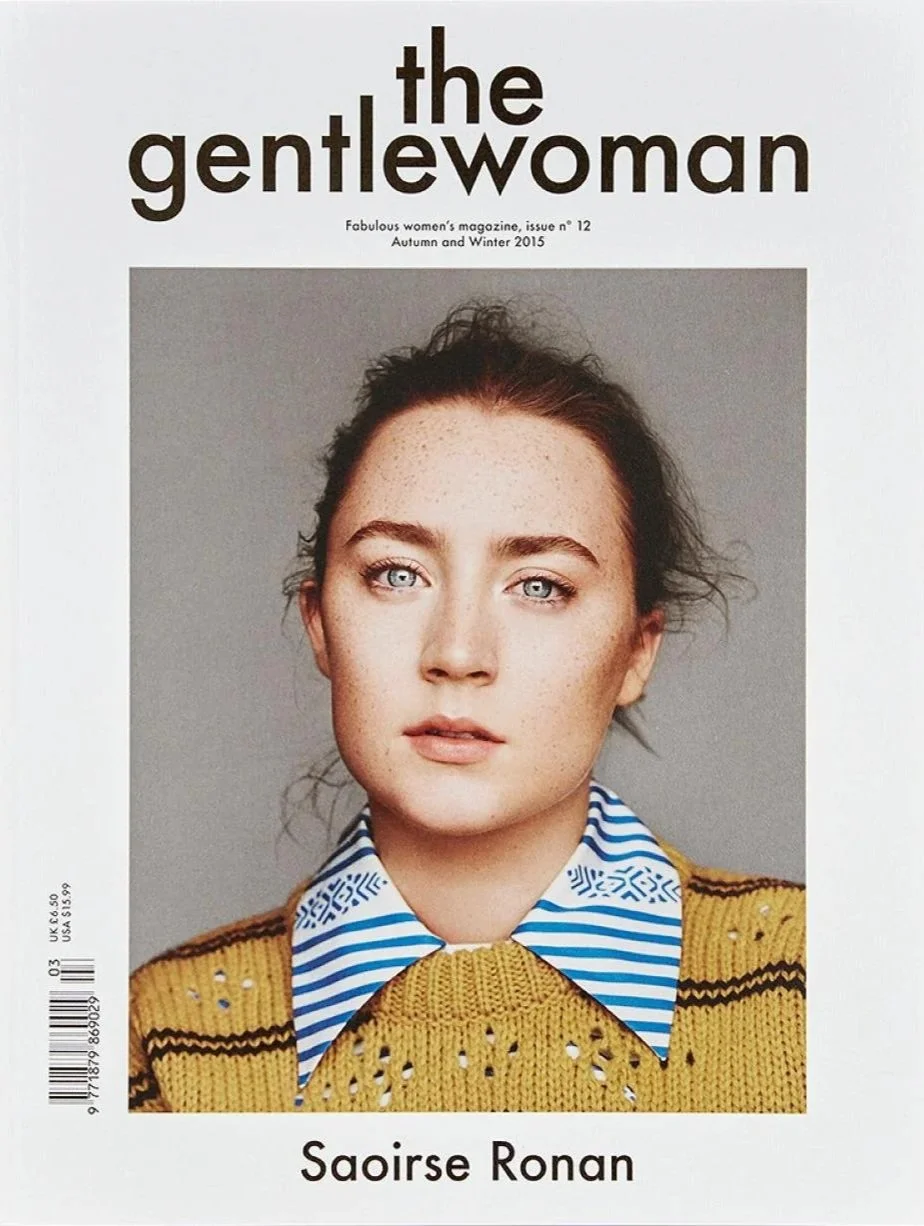
Heidi Saman: This one’s around a lot, but I think it was so good and I still think the articles and the people they find to talk to are so great. Gentlewoman I think is great. It’s gorgeous too.
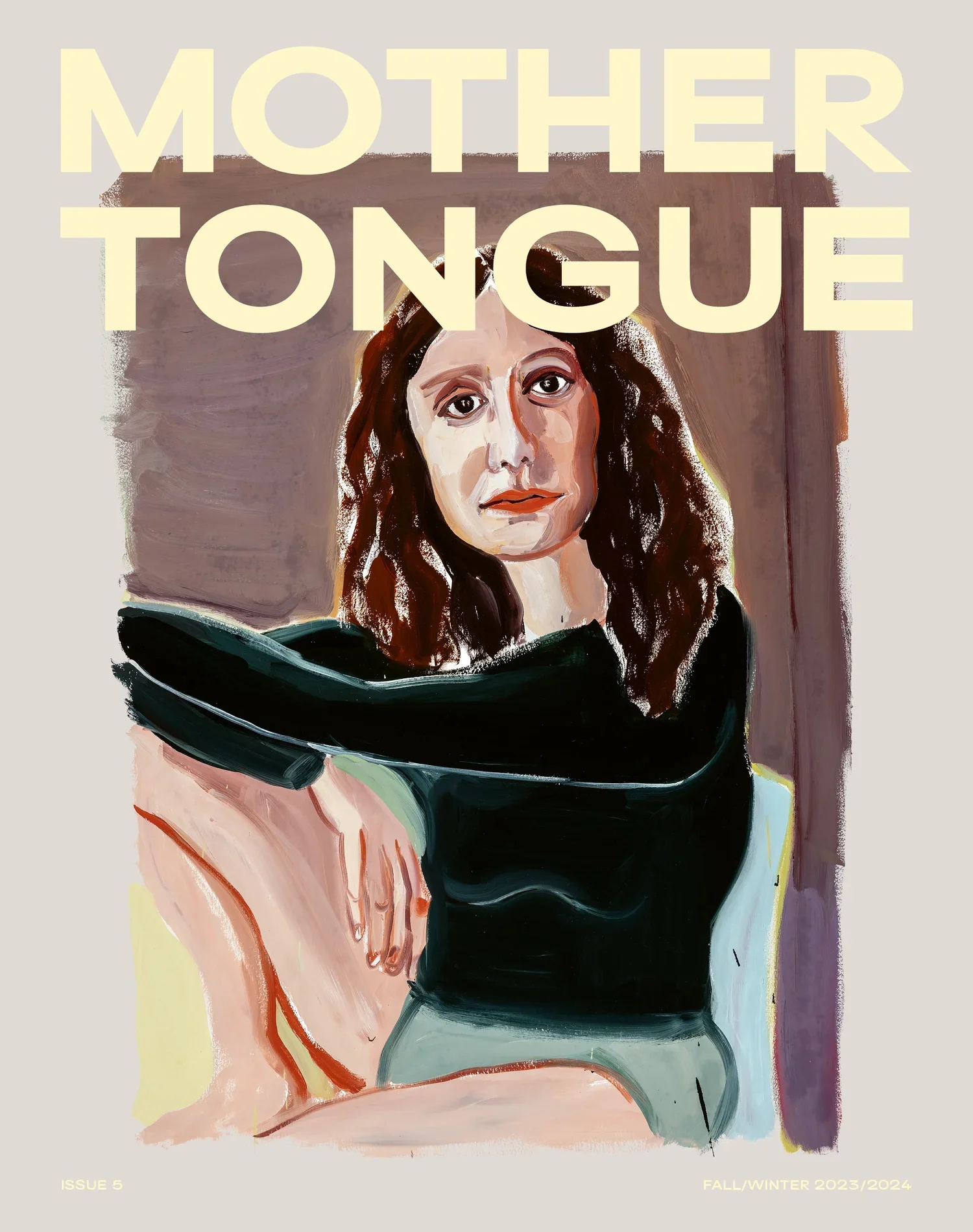
I love Mother Tongue. I think Mother Tongue is doing something fantastic and I’m all in.
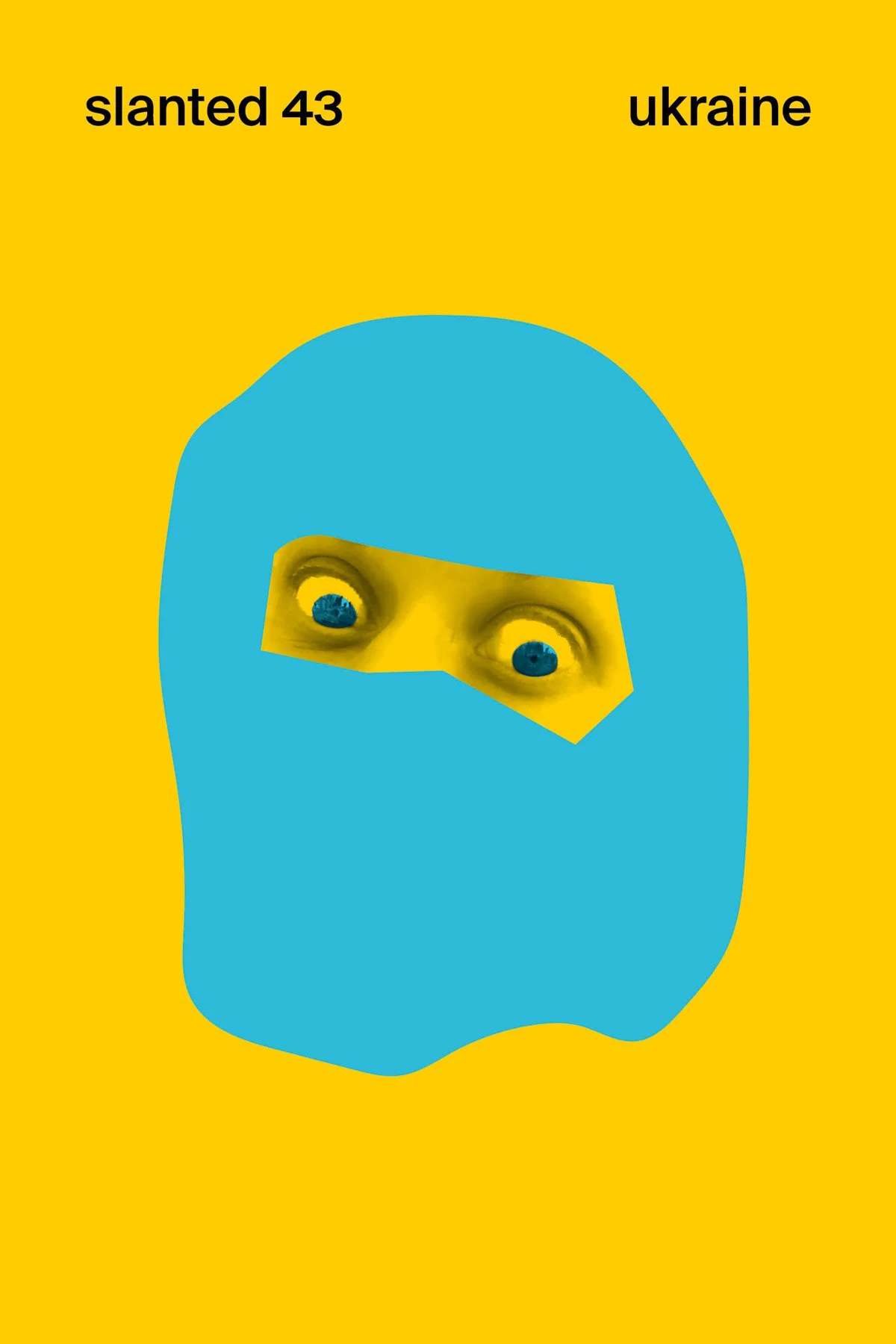
And the other one that I really like, that I feel i’m very intrigued by, is Slanted because of just how they’re seeing typography and place with the people making culture there. I like that cross section. It’s very inspiring for me. That way of seeing, like I have two kids now, like little ones, and I don’t travel with the frequency I used to. So in some ways it takes me places that I can’t get to. Those are the three on my mind.
Arjun Basu: Thanks, Heidi. This has been great.
Heidi Saman: Three Things
Click images to see more.
More from The Full-Bleed Podcast