
No Reservations
A conversation with Roads & Kingdoms cofounder Nathan Thornburgh. Interview by Arjun Basu
—
THIS EPISODE IS MADE POSSIBLE BY OUR FRIENDS AT FREEPORT PRESS.
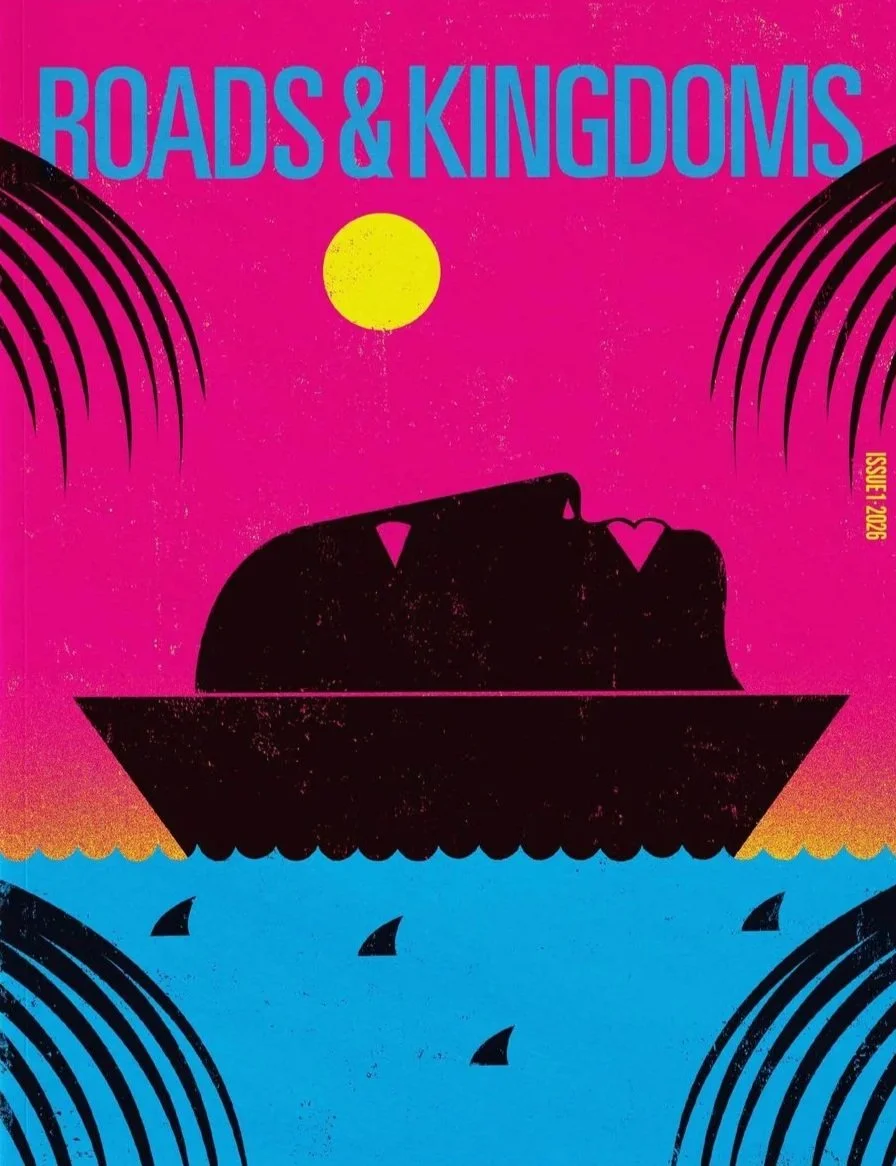
Welcome to a new season of The Full Bleed. This year, we’re going to be talking to makers and creators, of course, but also more about the business of magazines. Because, let’s face it, making a magazine is not easy. It never has been. But we’re seeing more and more magazines—in print—out in the world and there’s a reason for that. At a time where the digital world is a messy place, and that’s being polite, magazines are perfectly positioned as a part of an “analog” wave that is going to become more and more important in the media and in marketing.
We open the season with Nathan Thornburgh from Roads & Kingdoms, a media brand that started out as a media brand—stay with me here—with the support of Anthony Bourdain, yes, that one, and then pivoted to becoming a kind of gastronomic tour company with loads of content on their website, and has now published their first magazine. And it won’t be their last.
Travel, especially these days, is pure analog, a completely human experience. It touches the senses in a way not many things can. Think about Anthony Bourdain’s work and you think of how immersed he was everywhere he went. Whether he was writing about the reality of a kitchen or filming a meal of noodles at a roadside stand in Thailand, he was all in. His was a very human-centered media, full of sights and smells and sounds and people. And that’s what Roads & Kingdoms will try and replicate. On the page. On every page.
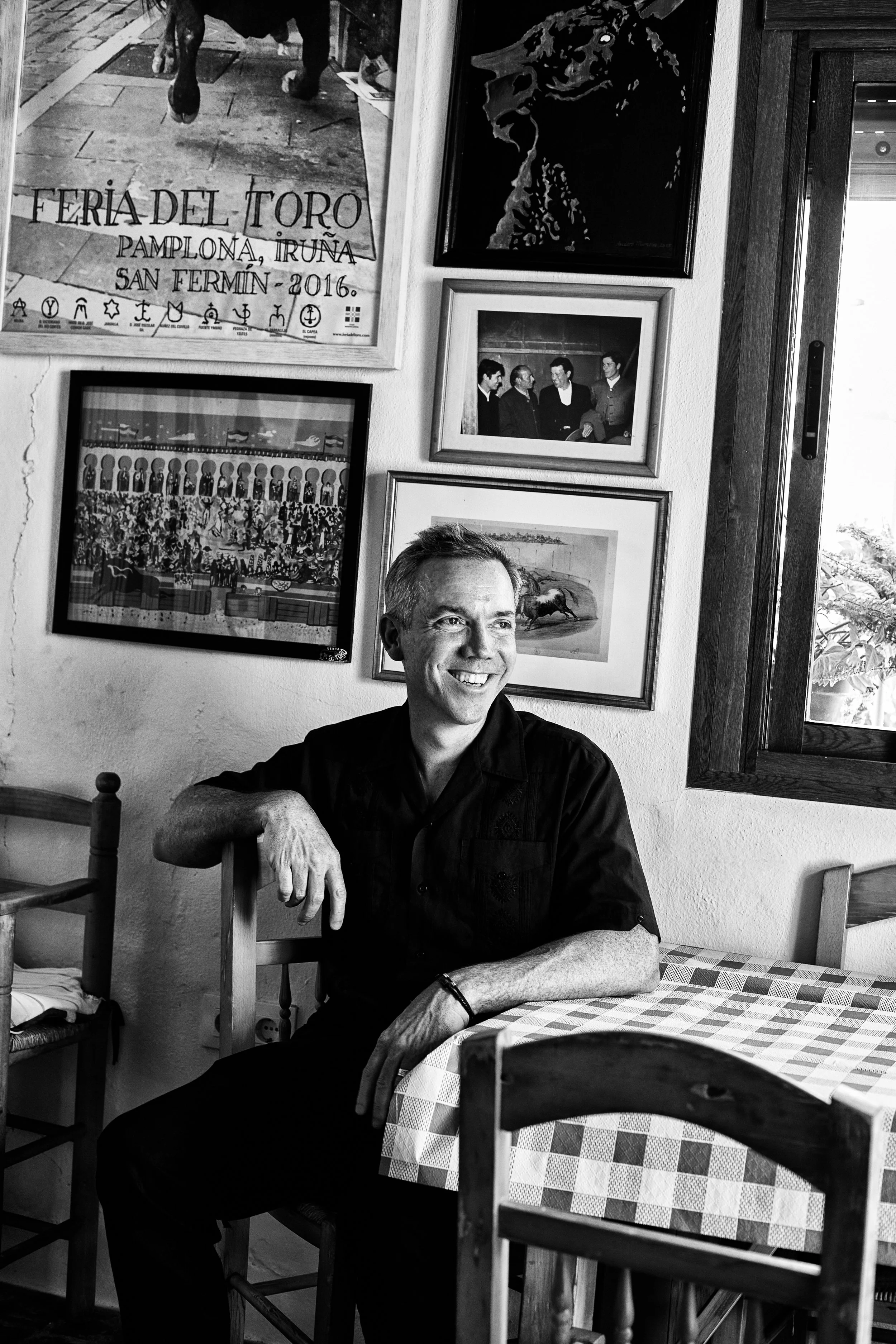
Arjun Basu: So before we get into Roads & Kingdoms, which is an epic story on its own just in terms of the iterations you guys have gone through I guess I just want to get a sense of what you, who you are and what you did before we got to Roads & Kingdoms.
Nathan Thornburgh: Yeah, God, sometimes I wish it was a little less epic. We could all use a little less epicness sometimes, but yeah, it would, for me, it felt like a very natural evolution in some way. I started out as a musician and then started writing about music and then started writing about Al Gore’s prescription healthcare plan in my music reviews for The Stranger.
Arjun Basu: Okay.
Nathan Thornburgh: But it was around that campaign of 2000 that I became radicalized in favor of news writing. And I started freelancing for Time Magazine and turned that into a 10 year career as an editor and foreign correspondent at time.
And I was just feeling the limitations, and also the, I would say—the dissolution of big magazine media around the time—that I ran into first Anthony Bourdain and then Matt Goulding in succession and that really kind of sparked the idea of pivoting from foreign correspondence to something that included a little more food and joy and ultimately travel.
Arjun Basu: So when you met Anthony, what stage of his career was he at at this point?
Nathan Thornburgh: He was just on the cusp of ridiculousness.
Arjun Basu: Had the book come out yet, or…
Nathan Thornburgh: Oh, sure. Yeah. This was at the beginning of his CNN days. Okay. So he had left the Travel Channel. I met him because I was pulled in to run the back of the book at Time, which was a celebrity interview section called 10 Questions. And celebrities suck. It was an awful job.
It was a parade of belittlers—either them or their handlers or agents. I mean it, no good vibes until Tony walked in, having taken the subway there and asked me more questions and I asked him, he wanted to know what we were eating in the Baghdad bureau, what was happening at Time.
Such a curious dude and also spoke as people know him to speak: in full paragraphs full of delight, and sharp and angry and funny. And that was my first interaction with him. And when I met Matt, he had also known Tony. I think he’d met him through José Andrés, a Spanish chef, and we both were like, okay, if we’re going to do this thing, I think Tony’s really going to love it. Like a combination of food, because Matt was a food writer and editor and foreign correspondence just felt like it was in his wheelhouse. And we were right about that.
Arjun Basu: So when you say we’re going to do this, what is this?
Nathan Thornburgh: We were both looking for ways to get out of, I would say, legacy media. He was working at Men’s Health and I was working at Time, this was 2009, and I’m sure you know this story.
Arjun Basu: So the sun was sitting for a long time when you got there.
Nathan Thornburgh: Yeah, I, I feel like I had just enough of the good days. I did know the drinks cart that they would push through. When we were closing the magazine on Fridays, I had at times an unlimited budget to chase stores that I loved. And my big dream always—I had lived in Russia as a younger person—my dream always was to go and lead the Time bureau in Moscow. And by the time I had enough juice in the office to actually do that they did send me to Russia, but it was essentially to shut the bureau down. And one of the first things they did is not just shrink the foreign budget, but also I think reduce the beauty of the thinness of the magazine. The paper got impossibly thin quickly and…
Arjun Basu: Yeah, I remember that. And all the magazines were doing that. I’ve taken to calling it The Print Panic. They’re all wondering how to become like the internet when they weren’t leaning into what makes magazines so great, the print part. So yeah, I mean they were a part of that wave for sure.
Nathan Thornburgh: That was exactly and I think not to fast forward, but so many of the decisions that we’re making now are almost reactions, 15 years later, against that moment. And feeling like perhaps we’ve learned something. I’m not sure, but that’s the hope.
Arjun Basu: Okay, so that brings us to the point where Roads & Kingdoms becomes a thing. But it’s been a lot of things. It’s had a few iterations. But as a company it’s won Emmies, it’s won National Magazine Awards, it’s won a James Beard.
Has a book series, I’m thinking of Grape Olive Pig. I’m looking at that and thinking my son’s birthday is coming up. And he would love that. And the website has, it’s almost your mission, that food can offer a tremendous window on humanity. So what was Roads & Kingdoms and what is it now?
Nathan Thornburgh: The thing that has remained the same is ultimately it’s that founding idea of food and foreign correspondence. It’s the founding duo, also—it’s me and Matt. He lives in Barcelona, but he’s in New York today, and I just left him to come back and have this conversation.
We’re talking about a lot of the same things we have always talked about: What’s the next move? How do we sustain this thing as a publication?
But Tony, Anthony Bourdain, did have a huge effect on the trajectory. We started just Matt and I. He came on shortly after that and his agent, Kim Witherspoon, said at the time, “He’s a man of his word. He’s really into what you’re doing. He’s going to give you his full support, but you should know he, even without wanting to, he casts a long shadow over everything he loves.”
And she was incredibly prescient. So we had this wild rollercoaster with him. We published those books that you should absolutely get for your son under his imprint at HarperCollins. We got to film with him. That’s where we cross paths with television and Hollywood a little bit, which was super fun and a wild ride.
But. He was such a pirate. He would just, take money from a luncheon he would do with Capital One and give it to us to publish absolutely unfundable journalism about lynchings of dog thieves in Northern Vietnam, and that was an amazing thrill for us as journalists, but it also was not sustainable.
So when he died in 2018, he left us with a company that probably didn’t have the strongest sustainable bones for journalism. And we had to just rebuild that. So that, actually, we just were super depressed for a long time. Did not do much, besides keep affairs going, but it was during the pandemic that we really started to recollect ourselves and imagine, what, once we had decided that we were going to continue to do this and his, his family still owns a chunk of the company. We feel the legacy, we embrace it.
We were on the phone with José Andrés who, again, I think had introduced Matt to Bourdain way back in the day, and he both offered to invest a little bit and gave us a great path forward as a company, which was to try to start this idea that we had talked about back when Tony was alive, which was culinary travel. And Jose was very right about that. It’s a far better business if you do it right than media can be.
And if we just kept our principles and tried to apply them to what travel could be, I think it ended up being, also for us, very edifying and not just something to keep the business lights on. But we spent a number of years since the pandemic kind of focusing on that and building a steady enough base that we could hire a few people, like our editor Charly Wilder, and have the resources to jump back to where we always wanted to be, which is publishing. And now that has begun.
Arjun Basu: So when you became a tour company, let’s just say, and you kept the content going, the website is just rich with really high quality content and a lot of it is written by you—I don’t know what you call them, your leaders—the people who lead the tours. Some of it because the crew that you’ve assembled. They’re all listed on the website. Really quite an impressive, tremendous assemblage of talent. And which all leads us to this point where you are printing, publishing a magazine that is, perhaps, it’s another part of the ecosystem, but it feels like the purest sort of example of the ethos. How did you get to the point in terms of printing it? Like why now? How has it tied to the overall business?
Nathan Thornburgh: I think the main answer is, as much as we in media would like to be the authors of our own destiny, we’re really chained to the eras that we move through. We started, we incorporated in 2012, which was back when Vice was grifting VCs and everybody was going for scale and the idea of charging for any kind of content really was out the window.
If we had been born today, I think we’d be doing exactly what we’re trying to do today. And our journalism has always been far better suited—as I think you were hinting at—far better suited to long form magazines with rich paper stock that you can’t see through, like, old Time Magazine.
And I think that’s the format we should have always been in. But there was just no possibility really to do that back in 2012 and be a sort of viable media player. So I think in essence the magazine is in what it is now for the same reason that you have this podcast that you’re talking to all of these really exciting and excited publishers and editors out there.
It’s a great time for beautiful magazines. And so I feel like the era has met us as much as anything. And that is, we –which is not to say that we’re throwing everything at this part of the business—we certainly are, our hearts and souls, are in the magazine. But they’re all still very much trying to create the best culinary tours on earth if we can.
And we will continue to do both. But the magazine, which is right now an annual and I would love for it to be more frequent if we can really understand the business and our audience. In a good way, but it is a statement of purpose and who we are. And it’s just, the whole thing is stitched together with a tremendous amount of love for journalism and storytelling that I think is probably common with a lot of the people you talk to.
Arjun Basu: Yeah, absolutely. And I do think we’re—obviously we are in a moment and you said earlier that we, it’s probably a reaction and I, and to agree with you there too. And that reaction will only grow as the online world becomes sloppier and sloppier. Content in the magazine though, like, how independent is it running parallel to the rest of the business? Is it tied to the trips you have? The League of Travelers, you have, this whole business. Is it a closed loop or are they just like different tracks?
Nathan Thornburgh: You had mentioned that contributors are the people who lead our trips. I actually think it’s the other way around. We have always been going and looking for writers and producers and fixers to lead our travels because they are, hands down, the most interesting and connected people. So it was only natural that some of them would then be in the magazine itself. But we’re very conscious of having the magazine not be a catalog of trips.
There’s some challenging reads. Our trips are these very high-end culinary tours. My specific contribution to the magazine issue is a quite graphic, two page spread about killing and cooking iguana. Let’s just say I’m not going to subject my beloved travelers to a flapping, undead iguana spurning blood out of its neck.
But that is also, I think, a really interesting story. It’s an environmental story. It is a bit of a cooking story and a culture story, but that’s a very small but one of many examples where we, we’re really looking at this magazine as a publication for anybody and definitely not just people who might come and travel with us one day. Our tours are quite expensive, so we know that there’s a specific audience, and I know there’s a lot of overlap. A lot of our travelers have really been excited about the magazine project. But we want this to stand alone in the biggest possible way.
Arjun Basu: Will the magazine be distributed? Will it be available in stores or…
Nathan Thornburgh: Yeah, absolutely. And we’re starting, again, as you could tell with the annual nature of it, we are conservative by nature in the business side of things. So we’re starting just with friends’ shops, thinking of Matt Sartwell at Kitchen Arts & Letters or Ken Conception at Now Serving LA, these are food focused bookstores that have been hoping, I think, that we would be able to come up with something like this and they’re a natural fit. But we would definitely entertain a larger distribution than that. We’re fortunate in that I don’t have to sell these outta the trunk of my car—sample CDs or something—but I really want them to get into as many hands as possible. On some level we understand the boutique nature of life after corporate media.
But also, you need to honor the work and the incredible contributions of everybody from the designers to photographers and writers and just do our part, get it out there, get it in the hands. So I think distribution’s a part of it. It’s one of the beauties of independent media. You just learn. Something totally new each year it feels and now I got to learn about distribution channels. For this kind of product.
Arjun Basu: If there’s one thing in common with everyone I’ve spoken to on this show, going back, this is the first show of the fifth season, but going back the last four seasons, it’s that distribution is just a bitch.
Nathan Thornburgh: Yeah. And I do think, though, the bedrock of this will still and always be the people who have been with us throughout, and it is one of the things that makes me optimistic about this era is there is an understanding that the people now who are fans of something know that it’s on them to support it.
And, we have to give them reasons and mechanisms and so on. But it’s so much more of a team effort than it ever was in, in any other media that I was involved with. And I started out at The Stranger, in Seattle, which was an alt news weekly with a very loyal following. But even then our readers felt like they had to keep The Stranger in business. That’s what porn ads were for.
Arjun Basu: Yeah.
Nathan Thornburgh: It’s a much more direct relationship now, and I’m thrilled about that.
Arjun Basu: Yeah. I think about Time magazine. I remember having a conversation with my brother-in-law’s mother-in-law. And she was complaining about the price increase of Time, and I was already in the business, so I knew how much magazines cost to make and the price increase, she was still paying less than the cost of shipping—
Nathan Thornburgh: Yeah.
Arjun Basu: —essentially. But for her, the price increase was too much. And that was when I understood something about value. And what readers value and how they value it. And I realized that the magazines aren’t really thinking about readers. That’s when I realized that the magazines are only thinking about the advertisers and the readers are just the data points, and that’s what ended up happening a few years later. But I’m happy to see that there’s one in…
Nathan Thornburgh: I think we have three, but point taken, We have…
Arjun Basu: …oh no, there is, I forgot the inside front cover.
Nathan Thornburgh: Yeah. Yeah.
Arjun Basu: It’s not GM here.
Nathan Thornburgh: Yeah, exactly. And to be honest, like there was more of a statement that we would, that we would like to continue to find those good partners like Mighty Oak or Rugby Scott, that are boutique and independent themselves.
But, I don’t believe this paradigm that you were talking about before with Time Magazine, just losing an absolute bucket on each edition so that they could sell a full page ad for $80,000 to a car or pharma company. That’s far from what we aspire to, but I don’t close out commerce altogether. I do think that is a possible base of support. And one thing, we are hoping to have a discipline that I did not have back in the Bourdain days, where we have a firm base and we’re not just taking money from somewhere else and throwing it into publishing. We want the publishing to stand on its own legs.
Arjun Basu: So you talked about Tony Bourdain, the long shadow, and the editorial in this issue. It’s touching, it really is. I was not expecting it and I read it and I had to put the magazine down.
Nathan Thornburgh: Thank you for saying that. That’s a credit to Matt Goulding, my partner who wrote that and, yeah, the piece you’re referring to is our letter from the editor, essentially. Exactly.
Arjun Basu: Yeah.
Nathan Thornburgh: We’ve had this kind of ghost editor for, now, however many years, seven years.
And we, I wouldn’t change a thing. I love the world that we got to experience together with him. He was exactly the guy that everybody thinks they know from television in my experiences with him. So there’s a lot of. Love and fondness in that.
But definitely one thing that I am always making sure that we don’t do is invoke him in ways that we feel would have just been crass or overly commercial. He was a capitalist. We did embark on a lot of capitalist adventures with him. So it’s not that he would hate commerce, but he’s just not here.
I’m always very open with people. The first time I brought up the idea of culinary tours, his reaction was: That’s a fucking nightmare. Like following a red umbrella across the piazza, like the gathering of the damned or something. He was not an immediate fan of the idea, and I think I talked him into seeing it more as like a production size crew and, with a week long narrative mission.
Ultimately, if we’re out there drinking wine, at some sun-kissed vineyard in Sicily, I, it’s not a highly Bourdain moment. But we also have done trips to Angola and things where I’m like, Oh yeah, he would love that we had managed to make this work. I have my ideas of what his opinions would be, but I think we knew that when we started this.
As you called it, and I think, aptly, this purest form of the journalism that we do. We really felt his presence in a lot of that. We also put a piece that he had edited into the magazine. Also as an homage and one more link and tie to it. But I think as we continue to publish more, it’ll have a different flavor. But this first one, we really wanted to stop and reflect on his legacy in all of this.
Arjun Basu: Yeah, because I’m just thinking I could feel it, from the iguana story to the story from Nigeria about the fish and the writer talking about her mother’s abuse and then her physical abuse, and then the business she ran, to the José Andrés Camino story. So you got this, really, the bloody and the spiritual going, so that’s the alpha and omega.
Nathan Thornburgh: And certainly Matt and I and Tony, we all had that common feeling that stories can talk about tough stuff, and you can pivot from stock fish, as you said in, in Nigeria, to domestic abuse and and have really hard conversations around the table. And that actually makes it more interesting.
So that, again, as little as I can say, how he would feel about our choices X, Y, and Z, there is that ethos that I think I recognize in him and really in a lot of the people who’ve worked with us over the years.
Arjun Basu: And so one of the things that I think Roads & Kingdoms has always done is it’s never shied away from a political stance. You have the Band Country Dinner Series and now you have the Anti-ICE Supper Clubs and how much of that will … you can’t really do it as an annual because you never know what’s going to happen, especially these days, you just never know what’s going to happen. But how much of that is going to infuse the publication or, have you thought of that?
Nathan Thornburgh: Yeah, it’s a good question. And we also have launched alongside this annual print publication a digital thing, basically, a newsletter based publication, which will be two or three times a week and we’ll just be ongoing throughout the year. But even then, I don’t think we would ever stay very close to the headlines. We’re always still looking for a kind of good storytelling that might get out of the panic of the moment.
But we make lots of decisions that are probably not great for expanding the umbrella or something. And, particularly, we were concerned when we started having a hefty dose of the business relying on these sort of high cost tours. Will our politics feel rough or punk, on some level, right? But almost the opposite.
Obviously there are large segments of MAGA America that might like to have a nice Chianti in Sicily, but they’re not going to want we have to say about fishermen’s unions there, and I feel very comfortable with that because we have a huge number of people, or certainly large enough number who can, who, take these trips at this higher price that really value that we say exactly what we mean, and that includes on Gaza, includes certainly with ICE.
I would say the biggest impediment, to me, like really focusing on my work as a publisher and journalist, is that I am so distressed at times about the world and like the need to do something and just seeing how life is incredibly difficult for people right next door.
And I think that to my mind is part of the reason why we’re investing not just in the publishing, but in this series of fundraisers, which is starting at the end of January in LA, and it’s called the Anti-ICE Supper Club. There’s not much doubt.
It’s not let’s all hold hands for immigration. My point is fuck those guys and what they’re doing and if we have any power, and it’s so small, but we just have to do something and just hope—it is one drop in what I hope is a large enough ocean.
Arjun Basu: Food can offer a tremendous window in humanity, right? That’s it right there.
Nathan Thornburgh: Yeah. As soon as we went out with that idea to LA, we got Daniel Patterson, who’s a two Michelin star chef, and is doing a private dinner at his home to support this. And also Bricia Lopez, who runs Guelaguetza, which is a Oaxacan powerhouse restaurant.
And they were immediately on board and I was like, it’s called Anti-ICE Supper Club. Is that safe for you guys? Is it safe for your staff there? Absolutely. I think Daniel, he said, I’m only going to call it that if I can’t call it the Fuck ICE Supper Club. We’re finding that in the food world there are also fellow travelers.
There are people who are as outraged and passionate and trying to use their incredible skillset to do something good.
Arjun Basu: Oh, I imagine the food world especially, so you know, given what a lot of the kitchens are. The composition of many other kitchens on the front line.
Nathan Thornburgh: Absolutely. And I should say that Jose, who came on as an investor after Tony, is kind of Exhibit A. José Andrés has married Michelin star dining with an incredible mobile, dynamic soup kitchen approach unlike anybody on earth. And so it’s very easy for us to fall into believing that chefs can rise to these moments.
Arjun Basu: I keep waiting for him to win the Nobel Prize. I think he will one day.
Nathan Thornburgh: He’s got my vote put it that way.
Arjun Basu: This is a different space here, but feel about travel content now. What are your feelings about it?
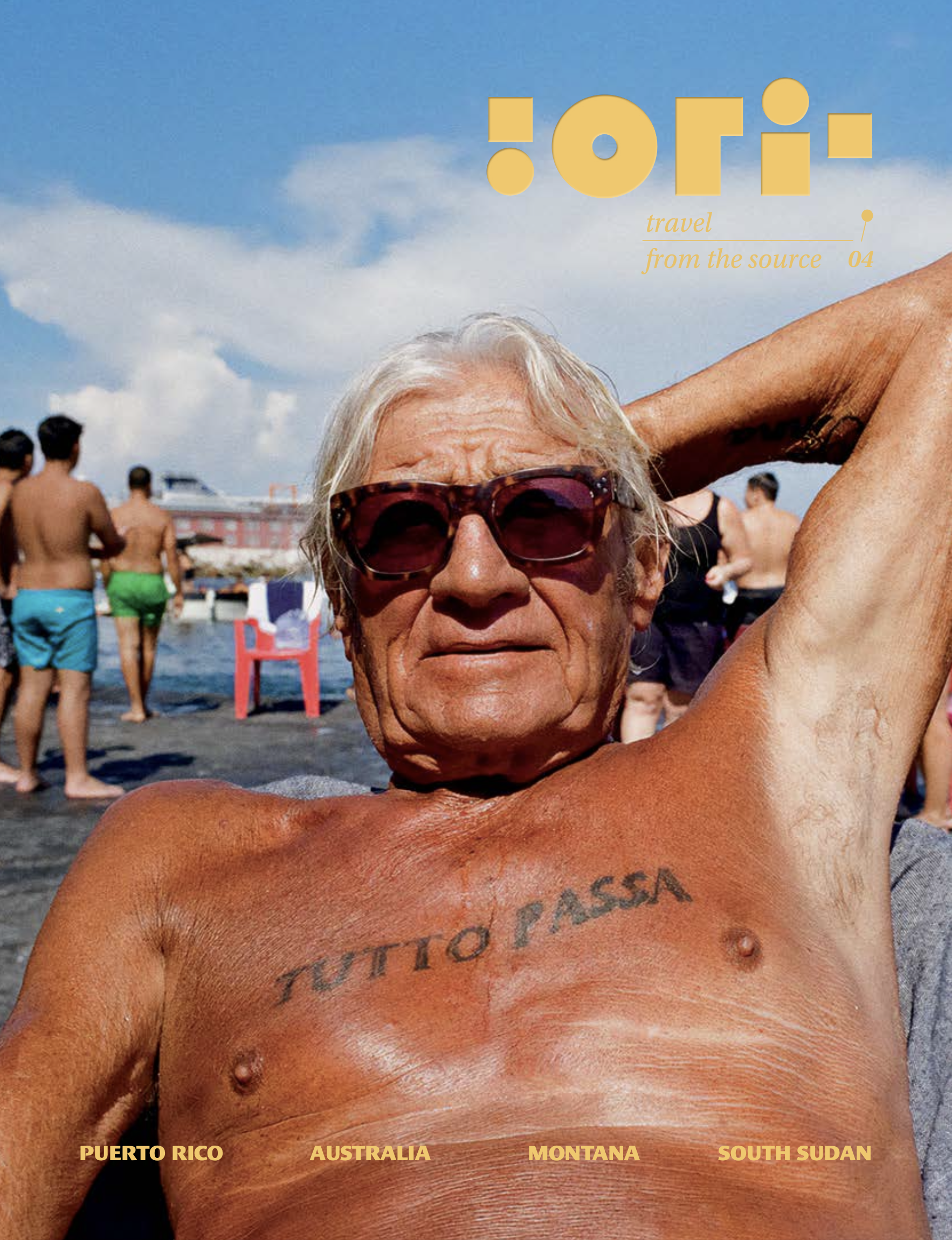
Nathan Thornburgh: I was listening to your conversation actually with Kade at Ori and also with the makers of Fare Magazine. They both said something that I was vigorously nodding my head like a crazy person on the subway should too, which is, that I think this has made what we do much easier and more valuable because I think we’re about to see the floor absolutely drop on digital content, just in terms of, and I’m not saying that it’s going to be a smaller business or predicting, anything like that, but just from a consumer feeling of: is this true? Did that actually happen? Is that, does this person know what they’re talking about? Which is one question, but is that even a person is a whole other question?
And I think that really, for us, who have a known identity, who are actual humans who’ve been in this game for a while, or who are producing something of heft. I feel like it’s a really good moment, although I have seen now that I’m all crazy for print and everything I’ve seen, like the algorithm is feeding me advertisements for print magazines that I think are not actually print magazines, that they might be print-on-demand, but they seem like a bot-driven scam. You probably know about this more than I do.
Arjun Basu: I think everything’s a bot now, but…
Nathan Thornburgh: Yeah.
Arjun Basu: When you can go to a leading online bookstore and search for books and the first four books are not the actual book you’re looking for, but summaries, Cliff Notes and for an AI generated whatever it gets harder. The only way you know if you’re getting a real book is going to a bookstore. And I think magazines, it, they’re in a bit harder place. But that gets you back to distribution. And not every store sells a magazine, at least in most places. So it’s, yes, this is why we’re seeing a rise in magazines and why I think Roads & Kingdoms are coming out at the right time. But it’s also going to be hard to distinguish. Because people are still, convenience is, look, everything is happening now because we sacrificed quality at the altar of convenience and we’re going to pay for it forever. Look, we’re paying for cars, right? It’s so we’re going to pay for it forever. And it’s just a matter of figuring out how to not get scammed by what’s out there. You guys are very well positioned because, again, a lot of my guests, they do things in real life. They have events, they meet their readers. You have magazines which are small magazines based in New York. They go to LA and they get like a thousand people. Or they go to Paris, I mean they, the experience of being a part of the community. And that’s another key word of course, is that magazines are centers of communities and create their own communities. And I think that’s where, those are all those human elements that are going to win the day. It’s why magazines have great swag shops now. I have a brand background too, and I think from a brand positioning point of view, that’s where it is. You create community and loyalty, and then those people become your evangelist.
Nathan Thornburgh: I should have worn my Racquet magazine hoodie to this interview, but you are absolutely correct.
Arjun Basu: Great. You talked a little bit about your customers. Who are they?
Nathan Thornburgh: Yeah. Back when we were a fully free online purveyor of Uzbek goat herd articles we surveyed our readers and I found them to be generally lovable dirt bags who had not much money, but a great sense of adventure. Many were in their first jobs after college. Looked back fondly on their more adventurous selves.
And we had a lot of that in common. I thought there would be very little overlap with this kind of interregnum small group of people on these culinary tours, but actually a lot of them were there. They were just waiting to find something like this, some expression of Roads & Kingdoms that also fit into something that they were able to do as mid-career people.
We are mostly American, I think, in our readership and in our travelers. I think they both are around 70%. A little bit less. I think we skew a little more female, at least in our online readers and in our travelers. But, and I think for also, not that this relates necessarily to the magazine, we’ll see, but the average age of our travelers is actually quite young for what I would say group travel is in, in part because these are short, intense trips of a week long, and they’re meant for people who are mid-career, although we have some amazing retirees who will lap me any day hiking up the steps. And I do think that’s a reflection of how we set it up. These are energetic travels and we get people across the spectrum, but that’s the basic approach.
Also just vacation styles, oh my gosh. Like there, I have many friends in Europe who are like, Wait, you fly somewhere for a week or two weeks? What do you mean you don’t get the camper van and go down to the lake for three months? Part of it is the American style which also is the Mexican corporate style.
So we do have Mexican travelers and people from Southeast Asia also who are involved in that. We’re always looking to expand the umbrella and as you probably know, my partner Matt lives in Barcelona. We’ve always been by capitals between New York and Barcelona, but really it’s an American publication, North American publication, I would say. I don’t want to leave Canadians out here.
Arjun Basu: Thank you for that.
Nathan Thornburgh: Yes.
Arjun Basu: So what’s your favorite food experience in the world?
Nathan Thornburgh: This is going to sound incredibly blood thirsty, but we had a string of putting these tours together where I think we had killed a ruminant on four tours in a row. And I was very happy about that. Not because I have anything against goats and lambs. But my uncle was a goat farmer. Actually a cheese maker and goat farmer. And I had the experience of slaughtering and cooking animals with him.
So it’s like on an autobiographical level, it’s very meaningful, but I just know in each of those places where we were doing it, which is like Angola, Morocco, Mexico Italy, it means that you’re into something that’s already very special and festive, that’s obviously but sacred and also highly educational, even for someone like me who’s been around it since I was young. But it still is such an important reminder of how, where meat comes from. That sounds incredibly obvious, but…
Arjun Basu: Yeah, I one hundred percent agree with you. I think every meat eater, which is most of us, should witness or even participate in the killing of their food once.
Nathan Thornburgh: Yeah, absolutely.And it stays with you. One thing we don’t pass the knife around. I will say that, because you owe the animal the respect of the best possible butcher. They can slaughter or they can have. And then after the animal’s dead, we do a lot of the preparation of the animal together as a group. because at that point it’s a bit moot for the goat. But that to me is my favorite experience because it’s communal. It’s epic. It’s religious. It’s a lot of things
Arjun Basu: I just thought of the water buffalo scene in Apocalypse Now, which is all of those things. It’s communal, it’s epic, it’s religious. It’s all of those things. What’s your favorite place in the world?
Nathan Thornburgh: Oh, I don’t know. Ask me please, who my favorite child is.
I would have an easier time answering that, that actually, no. I, I’ve always subscribed, and I don’t know if this is because I was in these kinds of particularly post-conflict zones a lot always subscribed to the idea that there’s no great city. There’s just a great moment.
They all have these different moments that are so rich. And I got to live in Havana in 1999 and I thought that was a pretty spectacular moment for that city. And then as you can see today, Cuba’s in a very different place. So the answer to that is always moving. So that’s my caveat.
I have to say that Georgia and Angola were the two places that have dominated my dreams the most and really taught me the most particularly about the trips business and what hospitality can look like, what these trips can be, how meaningful and the level of enthusiasm that they can have.
So those are two places right now that are in these really special moments and very quite distinct. Angola’s coming out of the war after 20 years and feeling very confident and open and young and excited. And Georgia’s in a very determined mood defending itself and its culture in a tricky moment, but still one that they’re meeting with flaggings of wine and long tables of skewered meat. And I’m so in love with those people in that country.
Arjun Basu: I just want clear it up for the people who may be slightly confused, but you’re talking about Georgia on the Black Sea and not the Georgia that is…
Nathan Thornburgh: Thank you. Yes, I think they’re thinking of rebranding it because these conversations I always forget that people will assume the state.
Arjun Basu: Yeah. Georgia, the country has been around for thousands of years and for them to have to change their name because of a Johnny-come-lately.
Nathan Thornburgh: We’re all children of St. George. And I think they just have to, they have to deal with that.
Arjun Basu: What are your three favorite magazines or media right now?
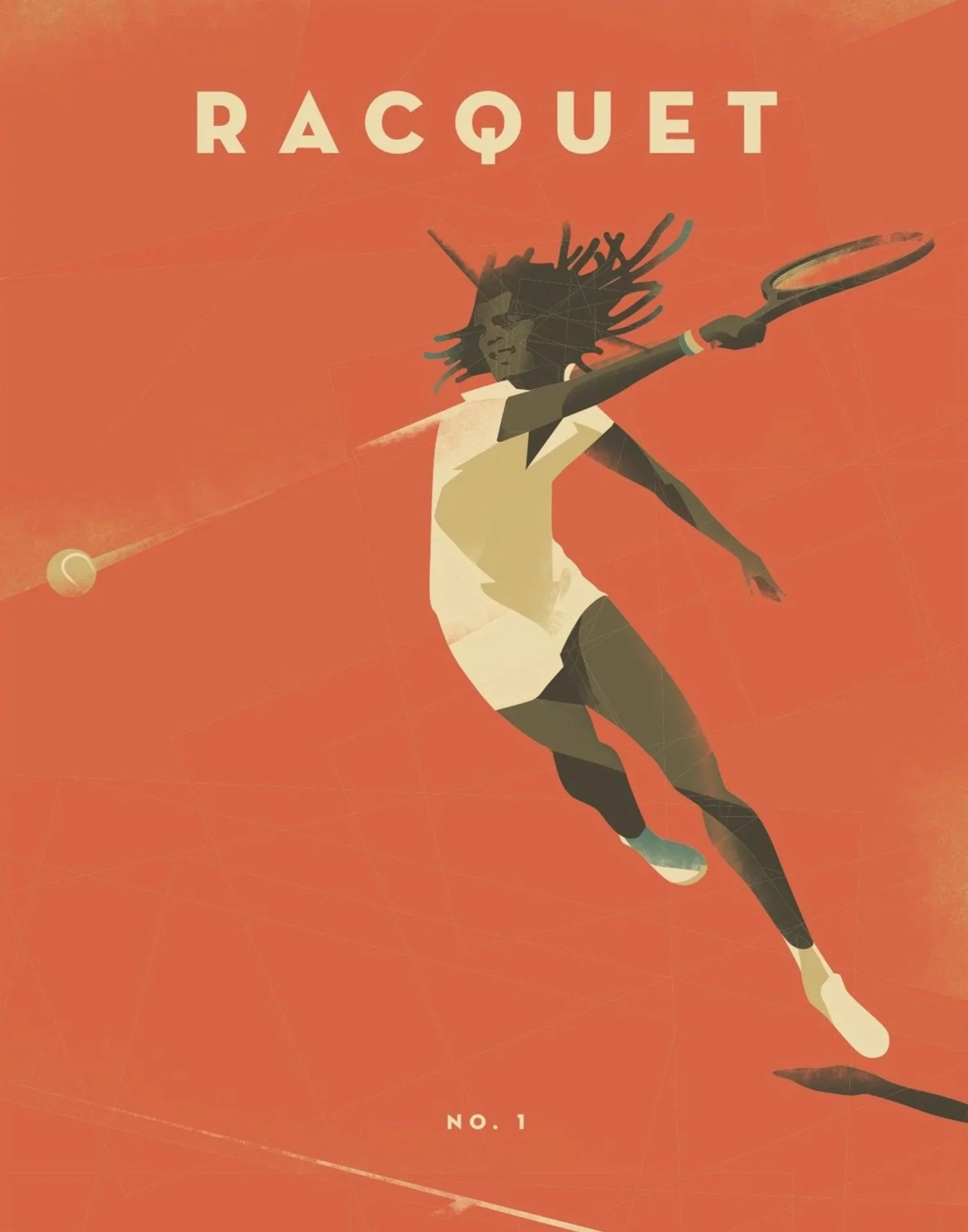
Nathan Thornburgh: Definitely print magazines and in part for, for selfish reasons to some degree because I think they’re all, they’ve shown me the way, literally. And I think I’ve got a hoodie from one of them. It’s Caitlin Thompson’s Racquet Magazine. She actually worked with me at Time. So to see her kind of lead and go into print and have it be gorgeous and stylish, I mean in a very fashion forward way I thought was incredible.
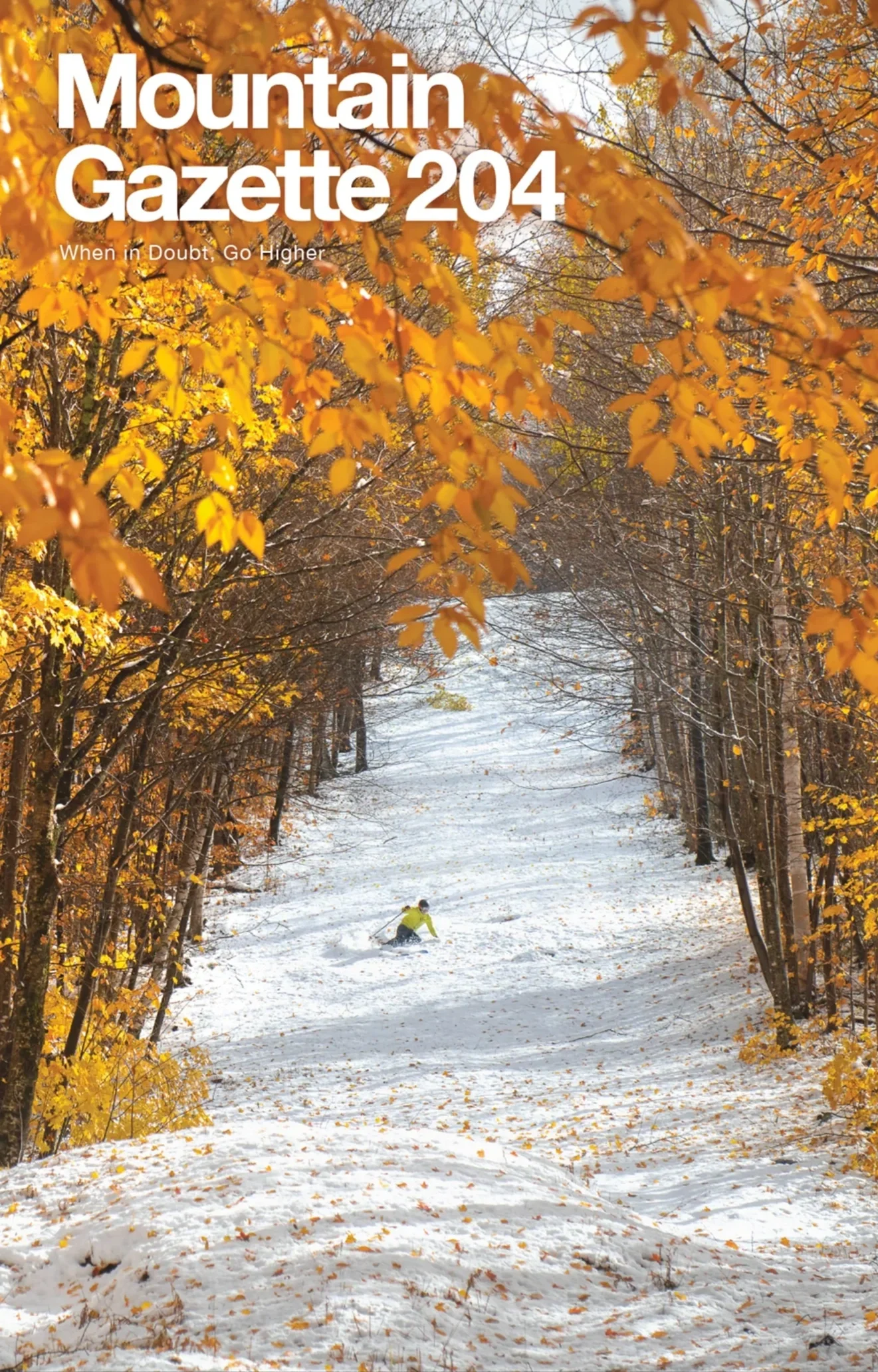
Mike Rogge at Mountain Gazette I think is really good at communicating the story of the magazine and the why of it. And he’s been a tremendous help to me personally as Caitlin has in just pointing the way.
And actually not just because I was just reading or listening to Kade Kritchko’s episode, but Kade had actually written for us as when we were getting digital, pitches and publishing for Roads & Kingdoms and I’m really psyched and in a strange way, proud to see Ori Magazine do what it does because I think he’s also has some very creative takes on what a magazine can be.
So those, there, those, in terms of content, they maybe occupy a fairly similar slice of the world of human thought. But they really have had a huge impact on me as a publisher just putting together this magazine, feeling the confidence that I can feel that, okay, there’s an audience for this. You can make it, you can make it great. And you can actually make a business.
Arjun Basu: I wish Roads & Kingdoms much success. And I thank you for being on our show today.
Nathan Thornburgh: You’re a part of it. Thank you for highlighting print and making that a thing. That’s how we build on this. So thank you, Arjun.
Nathan Thornburgh: Three Things
Click images to see more.
More from The Full-Bleed Podcast