
The Purpose of Travel
A conversation with Ori founder Kade Krichko. Interview by Arjun Basu
—
THIS EPISODE IS MADE POSSIBLE BY OUR FRIENDS AT FREEPORT PRESS.
The world is adrift in travel magazines that tell you to go here and stay there, to order certain foods at “of-the-moment” restaurants. And when you go to these places you find yourself surrounded by other travelers like you, and the only locals you interact with are, maybe, the waiter, or your Airbnb host, or the tour guide taking you on a generic definitely-not-what-the-locals-do tour of the trendiest neighborhood in town.
Or you might not even meet a local. Or ever stop looking at the screen on your phone.
You will have ticked items off your travel bucket list, but will you have actually traveled? Travel becomes consumption and as with all manner of consumption, you are never quite sated, and hey, there’s a media ecosystem out there to help you along.
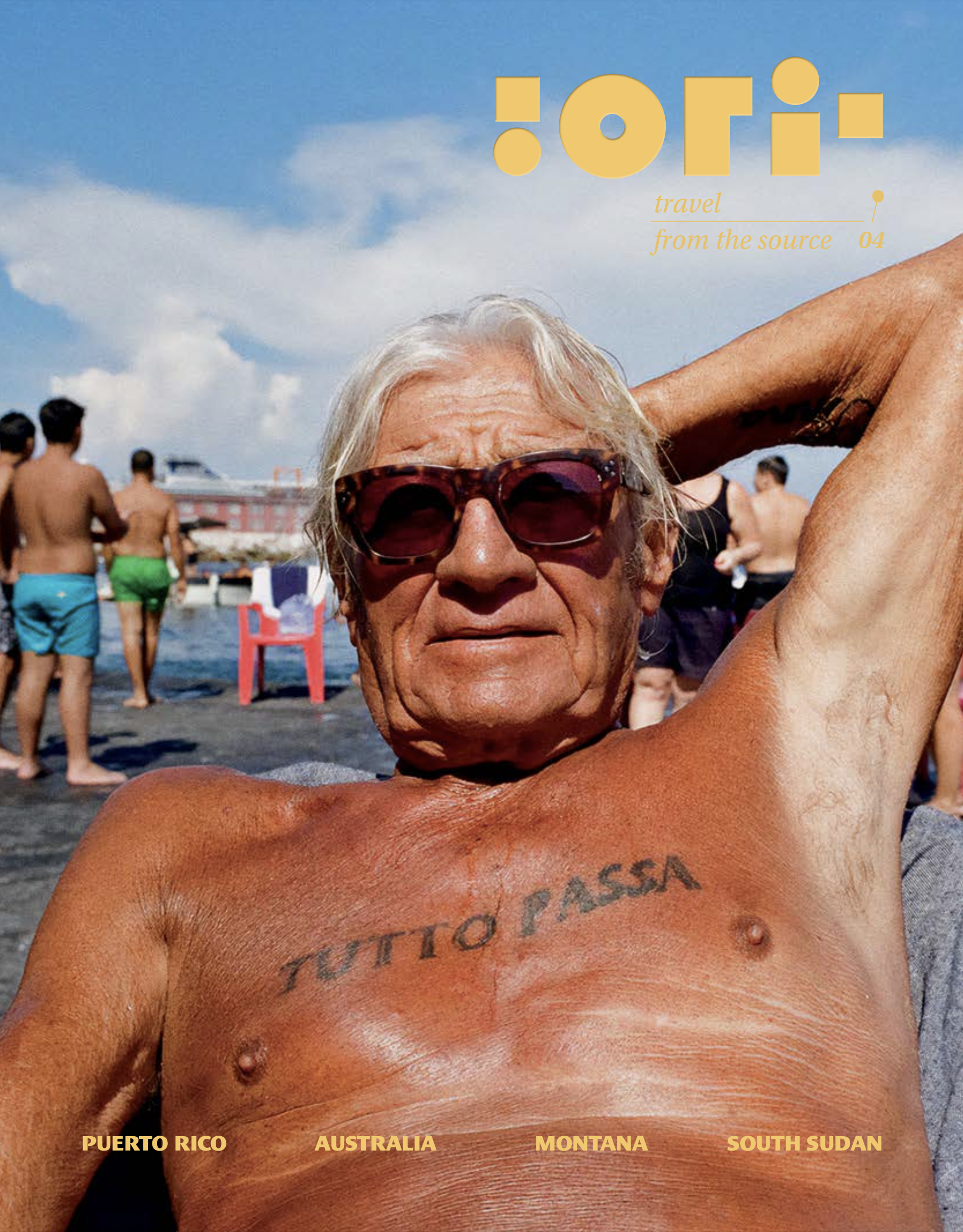
And then there’s Ori. Founded by journalist Kade Krichko, Ori bills itself as a “travel, art and education platform” that allows local storytellers to tell their stories on a global scale. It is a magazine that understands travel is an experience first and foremost, and that traveling well means an immersion into people and places, an opportunity to grow and to heal.
It’s a magazine that assumes you should think about and experience the world around you, and that if you think about it and experience it enough, the world becomes a more interconnected and better place; it becomes a place of wonder.
And isn’t that why we travel?
Arjun Basu: Kade, thanks for being here.
Kade Krichko: Thank you for having me.
Arjun Basu: What’s your story? How’d you get here?
Kade Krichko: Oh man. Like many stories, it’s not a straight line, but—
Arjun Basu: —it’s not a good story if it’s a straight line.
Kade Krichko: That’s true. Linear stories—we know what’s going to happen at the end.
Arjun Basu: Exactly.
Kade Krichko: I am a business owner of Ori Magazine, but what led me here is not much the business side as much as it is the writing and the journalism side of things, which is where I got my start as a freelancer and an intern over at Powder magazine, a ski and outdoors magazine in Southern California of all places.
And from there that led to a freelance career working in the action sports and outdoor space, and eventually to a more broader sports and culture. I was writing with ESPN, some clips with The New York Times, mostly Outside magazine, The Ski Journal, and Powder. But through that time I learned that life was bigger than sports.
Sports were often a view into life that was accessible. And so I started using sports as my vehicle of telling stories. So fast forward a little bit and I realized it wasn’t just sports that could talk about life. I also learned that food had a lot to do with what we’re doing in everyday life and attached to culture, music, the same thing.
And I found myself pigeonholed in this action sports world, talking about a sport that only 0.5% of the world actually does, in skiing, and saw an opportunity with Ori to expand that and look at the world at large.
I skipped a bit there. I was working as editor-in-chief at The Ski Journal, saw the guts of how a magazine is made, how it’s funded, how it works, and realized, hey, I think I might be able to do this and do it in a way that makes more sense for me. And Ori was born from that—not only frustration, but an understanding of how it could be done a tad bit differently and yield pretty cool results. That was 2023 and I started a print only biannual magazine.
Arjun Basu: So you answered the question, but one, you found something lacking in media that you could bring something to. And two it was a travel magazine as a conduit for something larger. What was lacking? Or someone would look at the magazine, say, like, why another travel magazine? Which is probably maybe the same question.
Kade Krichko: Yeah, no it’s not, and I barely touched on what you’re asking, which is that I looked at the whole media atmosphere before I made this jump, the whole landscape. And I saw travel and no offense to the people who’ve done it before me, but I saw it as a space that had room for growth and room for change.
And I actually saw travel as one of the last vestiges of colonial storytelling that existed in our world, in the sense that travel journalism on its face is: we send somebody to some cool place to learn about all these cool things, take all that cool stuff back to our comfortable homes and get rich off of it.
And I thought that was a bit of a twisted narrative and I thought that there was a chance for us to invest in these local communities that people might visit and work with the storytellers who live there. And that is where I saw an inroad basically in the travel world.
So I love the fact that we sit next to a Travel + Leisure. I love the fact that we sit next to a Condé Nast. We have nothing to do with those two publications. They’re great at what they do, but that’s not what we do. And what we do is heavy local coverage on areas that we visit, told by the people who actually live there.
Arjun Basu: In some ways the motto of the magazine—it’s on your inside back cover all the time—it’s just, “read slow.” But I interpret that from a travel point of view. I would just say slow down.
Kade Krichko: Yeah. Yeah, absolutely. I think there’s something there, and I think it’s a reaction that’s not just my own obviously. You picked it up. But I’ve had a lot of conversations with friends who are just like, “My life is moving a mile a minute. It’s attached to a scroll bar now. My whole life moves in vertical rather than in 3D and we want something different.”
And the funny part about that is the thing that a lot of people have said they want different is something that’s existed before, right? We’re not inventing the magazine. I think we’re just taking a new look at it right now. And I say we, because I think there’s a lot of smaller publications that are doing this, but they’re inviting people that really dive into these stories. There are no bullet points. There are no, there’s no bold, there’s no links. You have to read the article in order to understand what’s going on and the piece. And I’m glad that you picked up on that. because that’s exactly what I’m trying to put down.
Arjun Basu: Anyone who’s traveled just knows that there’s all these people who are basically traveling through their phone. And in the past they used to travel through their guidebook and now it’s on their phone. But there’s that famous photo of the room at The Louvre with the Mona Lisa and like everyone’s holding up their phone. It looks like a concert, right? Yeah. It kills me at concerts where everyone’s holding up their phone and you’re right there. What are you doing? So yeah, that’s what it really brought to mind. The slowdown thing, it’s just literally just “smell the roses” or “touch the grass.”
Kade Krichko: Yeah. Something we do say a lot internally—and starting to a little more externally is this—we’re calling it the slow read movement. And that’s based very much off of the slow food movement and this idea of really investing in where your stories come from instead of where your ingredients come from.
And like getting to know the writers, getting to know the photographers really. Taking a second to be, like, why is this story being told rather than just consuming information, moving on to the next. So we did that as like a cheeky catchphrase and we started, but we’ve really, we realized how on the nose we were with that, and we’re leaning in on it.
Arjun Basu: You describe Ori as a “travel, art and education” platform: Exploring where we come from and where we’re going.” I think the word ‘platform’ there is doing a lot of heavy lifting, so that implies more than a magazine.
Kade Krichko: Yeah. And that is something we’re excited about, and that we’re diving into, is our magazine is print only. Anything that you see in the pages of this magazine will not appear online, at least not in its full form. We might tease it on Instagram or do a little intro as it’s related to a particular writer we’re working with.
So when we say platform, we are a print only magazine that’s living in 2025. We’ve made it two years. Sometimes it feels like yesterday. Sometimes it feels like 10. But yeah. That aside, we do have a website. We do our sales online. We do have an Instagram.
So we’re not digitally obtuse, but we have created a resource based off of our print magazine for students. And that is something that we are rolling out right now, and we have some calls next week on exactly how we’re going to debut that.
But you’re getting some good inside information here. We’ve digitized some of our material in a way that it’s broken up and students can use it as a research tool. So think of a much smaller scale Google at this point, but you can search actual locations around the world and see which of our coverage has actually touched upon that.
And we really believe that, coming from a background where I was working in skiing, working in soccer, like these niche sports publications, now this is more in the Nat Geo realm, and Nat Geo is very much a teaching tool during my childhood at least. So we’re in a place where we feel like we can be a resource for university students, for high school students that are working on a term paper, and they can actually reference our material and our journalists, more importantly, in actual educational pursuits. So that’s where the platform aspect comes in my opinion.
Arjun Basu: It’s an interesting component. It implies a long-term commitment from your contributors. Yes. They’re going to be called upon for a while. There’s a long tale to their stories, In other words, that’ll go beyond the magazine. But travel is so much: travel is education in the broadest sense of the word and, yes, fulfillment. I like what that implies also. And then you also have the trips. Do the trips inspire the magazine or does the magazine inspire the trips? Or are they like a closed loop?
Kade Krichko: Yeah, I would just answer that as yes but I do think that both carry our ethos and it’d be easy to say that the magazine’s a marketing tool for the trips, right? As just because you have this mouthpiece that then gets people excited to travel. But I think it’s more than that. I think it shows the way we approach the magazine and who we work with, as far as leaning heavily local, is reflected in our trips. And so we know that there’s a level of trust that goes into traveling with somebody, especially someone new.
Arjun Basu: Absolutely.
Kade Krichko: So I think our magazine helps us develop that trust more than anything else. And then we’re going out of our way. We’re very small on the trip front right now. I’m sure you saw we’re really only running one trip because we want it to be worth the money, so that component is that we are working exclusively with local guides. We’re working, we’re doing overtime as far as trip planning goes, to have this be a reflection of our community and what they expect of us.
And someday at the height of what we want to be, I think we would offer four trips a year, one for each season.But we’re really not looking to be a trip company. It’s just an extended way to interact with us and our community.
Arjun Basu: Who is in the community? Who’s the reader?
Kade Krichko: We just got our first reader survey back. A big, professional move on our part. And it was incredibly interesting. We are pretty much split down the middle with male and female, men and women, which I was actually expecting more women readers just based off of other surveys I’ve done with other publications. But we’re split down the middle.
You’re looking at an average age of 35, pretty large annual household income, and a decent portion of that spent on travel rather than goods. And that’s been a reflection of a generation, in a lot of ways, that we have people that are unable, or priced out of buying a home, and are using that money to see the world and experience things.
I would say the experience industry is one of the bigger industries out there. And you could bottle that up into a bunch of different sectors, right? But people want to feel something and those are, by and large, our readers. Currently we’re mostly in the US and that’s a little bit by design, just as logistics go.
We would love to roll out more sustainably in Europe. And then from there, move into Southeast Asia and Asia, South America is as well. We have subscribers on every continent except for Antarctica right now. So that is cool. But we have a lot of growth to do in a sustainable and more targeted way, I would say.
Arjun Basu: The experience thing has been going on for a while. And I had a guest on last year who was in travel, who said what they avoided was the bucket list stuff. It was all about the experiences. They weren’t talking about the mountain, they were talking about how they climbed over it or…
Kade Krichko: Yeah.
Arjun Basu: …Around it. And we’ve gone from being a collector of things—you go somewhere, you get the snow globe, you put it on your bookshelf, and then you get another snow globe. And there’s nothing wrong with collecting snow. Globes are actually fun to collect. I have a friend who collects shot glasses or from wherever he goes, he gets the tacky shot glass. Yep. But you don’t talk And now you have this, the Creative Grant, which you’ve been doing now for, I guess, from the beginning, which is a very cool thing.
Kade Krichko: Thank you.
Arjun Basu: So tell the listeners what the Creative Grant is and then I guess the question is, I think I know the answer for now, but why do you do it?
Kade Krichko: And just to touch on your earlier point about snow gloves and shot glasses, one of my favorite articles we ever put out as a feature was actually about postcards and the origin of postcards.
Arjun Basu: I read that one yesterday.
Kade Krichko: And all these tacky things we pick up on the road that either make us think of an experience or think of somebody else and how we wish they were there. So I’m all for the tacky, even though I’ve run out of space to collect stuff currently, but I still have a ton of postcards for the record, just so you know that someday I’ll send maybe.
But the Ori grant is why we started. And it goes back to that frustration with the industry and what we can be doing to support our writers and our photographers, our artists, our musicians, everybody that’s in these creative fields. Advertising isn’t cutting it right now. And it will be there. It will always play some sort of piece. And I think advertisers, it’s not that they don’t want to be, it’s that they can’t be right now. So how do you weather that storm?
And I think one way you do that is having a bit of a grassroots, groundswell, is asking subscribers, readers, people that are subscribing to Substack now, that are supporting Patreons, to put some of their money where their mouth is for a better product and in the process shrink the gap between the creator, a photographer, a writer, and the reader. So the grant for me—first of all, this is how it works: We take 2% of all our revenue and we put it into this Creative Grant. And as we grow, that grant obviously grows, right?
So the idea is to get more subscribers, make this thing stronger, and continue supporting the artists. We then take that money, we have it pooled, and every time a magazine comes out, we turn around after about three months, and we ask our audience what they liked the best from the magazine. Usually in the feature well, but sometimes elsewhere.
And we award that money based on what our readers said. And that money is given over as a non-binding grant to the creative team. So writers, photographers usually, but sometimes an artist, and they can use that to fund their next piece or spend it however they want, because we know as freelancers ourselves that money always goes back to our craft. So…
Arjun Basu: …there’s no strings attached to this. It’s, “Here’s the money, do what you will.”
Kade Krichko: Yeah. And we might actually need to change the verbiage on the grant and maybe more of a scholarship or something along those lines, because there really are no strings attached. Our first winner was a woman from Mexico, a photographer.
Everybody’s incredulous when we just hand them money. They’re like, “Why would you do this?” Because it just simply doesn’t exist in our industry. And after I talked her down and explained it, she’s, “Oh, this is great. My son’s school tuition is coming up. I’m going to use it to pay his fall tuition.”
And I got off the phone and I was like, “Huh, that’s not exactly what I meant when I handed her this Creative Grant, but the fact of the matter is her son being in school allows her to go out and take photos and it allows her to teach him photography in a way that he might carry on in the future.” So honestly, it was proof of concept. I just didn’t understand the concept when I first launched it.
Arjun Basu: You are confronted with the possibility of the grant. Right away.
Kade Krichko: Yeah. Yeah. And it was incredible. I hope you’re all listening to this. I welcome other publications to copy us because if they copy us that’s a whole lot more money being pumped into the arts.
And can you imagine if The New York Times took 2% of their revenue and turned it into a grant, how much storytelling that would fund? Very idealistic, but I don’t think too idealistic. This is something that’s fully funded by our subscribers.
Arjun Basu: The idea of including them in this way, in the granting, is both a very good idea and an uncannily good idea if you get the meaning there, it is in its own way. One, it’s a good idea. Two it enhances the community.
Kade Krichko: Yeah.
Arjun Basu: And three it’s really decent. And I know that’s not why you did it, but it’s actually great marketing and PR as well. And you’ve used all three of those elements in your answer, I think.
Kade Krichko: And I think even more importantly—I’ll add a number four to that—is that we’re watching trust in the media erode by the day. I think this is a potential antidote to that is if you’re voting, if you’re subscribing to a magazine, and then you’re asked to vote on your favorite public or a favorite piece of that magazine, you’re going to do a little bit of research that could be reading the story or looking this person up on Instagram or any number of things.
But when that person wins that grant, you sure as heck are going to follow along with where that money goes. You’re going to see if they publish with us again at Ori, or if they go on and they write for The New York Times or The Atlantic or if they start a photography camp, you’re going to want to know where your money went.
So in that way, you’re building this trust and this interest in the creators themselves that might not have existed otherwise. And it’s a whole lot easier to tear somebody down on Twitter for fake news than it is to learn this person’s background and how they’ve dedicated their lives to doing this, and we’re trying to break that down a little bit.
Arjun Basu: Hey … you’re asking me to do research?
Kade Krichko: Not too much. Simple Instagram.
Arjun Basu: I just want to tap out vile things online, and I don’t want to do research.
Kade Krichko: I know, hopefully it’s not too busy.
Arjun Basu: Oh, man. The work involved! Are the writers or photographers or artists, are they going to be involved with the trips or is that something, is that something you foresee?
Kade Krichko: That is very astute. That is the path we’re walking right now and, okay, we, on our first trip had, yes, we had a photographer that was involved in the trip that met with our guests. We would love to have writers help lead some of these trips as well. Some of my favorite tours, actually—I like to give a shout out to the crew at Culinary Backstreets: they do really good food tours around the world, including here in New York and Jackson Heights.
But they don’t hire tour guides. They hire actresses. They hire artists. They hire people that live in these places, and really interact with them on a day-to-day level. And I cannot tell you how good of a tour that is for that reason. So I think there is a natural way. Like, involve writers and photographers in tourism. Yeah. I’m all for it.
And also I don’t think people that are from the areas that we’re visiting are going to exploit their hometown. They’re going to look for a way to uplift, because those are their neighbors, those are people that they have to answer to. And there’s an authenticity there that’s just implied. Again, it’s one of these beautiful accidents that I think has happened through this whole process.
Arjun Basu: Then you have on the website. You have a part called the Journal, which is almost multimedia. You have playlists and it’s very nascent. It’s pretty new. There’s not a hell of a lot there, but I can see it becoming bigger and bigger. And it also leads to your swag shop, and you have a very fine swag shop, I have to say.
Kade Krichko: Thank you.
Arjun Basu: Whenever one of my guests has a good swag shop, I always shout it out because swag is important. For the brand, it is. And it builds community too. But you’re making—Ori will be a literal destination, like a one-stop destination for all your destination needs, hopefully, in this community.
Kade Krichko: Yeah, I think there is definitely space for us to grow into that, as you mentioned it’s very nascent right now, but you see the bones of what could be filled out and we’re starting to do that. We’re not in a massive rush because we think overall our print products are focused as, as long as we’re this small. But as we grow, we can offer a bit more travel advice and travel experience and advice based on experience, that stays true to our brand, but might not appear in print. And all of that. I think the thing I’m excited about is that it will all populate on our educational platform that I mentioned earlier.
And so it won’t just be our biannual print publication there. It will be that, mixed with the digital for the first time. So we really will have a one-stop shop for students to be able to say, “I’m about to go study abroad in Florence, Italy. What the heck am I doing?” And they type in “Italy” and then they might even go further in Florence and we’ll have information for them.
I don’t think we’ll necessarily be a guidebook. I do think we’re more of a “the more you know, the better you travel” rather than a “here’s how to do it” place. But we’ll have an element of that and just get people feeling more comfortable before they go and take that big leap. Because we know that takes some courage.
And I think—getting the less existential on you here—but when you do, it’s harder to fear something, and I think a lot of things are happening in this world that are based on fear. And so if we can break down some of that and repackage it and show people what’s out there: “yeah, there’s a lot of scary stuff, but there’s a lot of stuff that’s not as scary as we’re saying it is.”
Arjun Basu: I love the idea of … you’re absolutely right. And in a place like the Journal, where you are doing sort of multimedia things, I can see every destination having a playlist. There’s that website that accepts recordings of just sounds from people. Yeah. And I forget what it’s called, but it’s a great website and it’s just literally, someone walking down the street like you hear their feet on the sidewalk or birds in a park or really mundane things, but it’s, it becomes a fascinating sort of tour of the world. That would be a cool thing for you guys as well, I think.
Kade Krichko: Yeah, I’m going to need that website. That’s incredible.
Arjun Basu: I’ll see if I can remember it. I’ll send you the link if I can find it. So where do you want to take Ori in the end?
Kade Krichko: I would love for us to continue telling these stories, continue uplifting these voices, but also become a resource for both personal and professional folks to connect more with the people who are reporting this news.
And I say that I think there’s another element that someday I had a dream of having a map associated with the work we’re doing—and we’re meeting so many journalists and photographers and artists through this process—that what if we had a database that had all these people, their contact info, and we have a Reuters coming to us and asking “who do you know in Columbia that can cover this story on a timely basis?”
Obviously Reuters has plenty of field reporters, right? But there are other publications that don’t quite have those resources that are looking to connect with these people and are looking to tell these stories. Because I do think there’s a huge future in getting information from local resources.
So to be able to continue to be a conduit for that and grow it into something, even a service, that people can use, that would be fantastic. All that being said, I don’t want to lose track of the fact that we’re a print publication that comes out twice a year and we’d love to just keep making a better magazine and paying better and better every year and supporting ourselves more, and cultivating community. Trying not to get too far over my skis on this one, but it’s hard not to get excited.
Arjun Basu: How do you decide where in the world you’re going to go in terms of what appears in the magazine?
Kade Krichko: It’s a great question. A little bit about me. I’m the guy who eats a Thanksgiving dinner and tries to get every flavor on his bite, on his fork before he takes a bite. If that makes sense.
Arjun Basu: Yeah.
Kade Krichko: I look at each magazine like a map. And I look at areas that we’ve covered—not only each magazine—but each magazine in the past. Where have we already covered? I have so many good stories and good pitches coming outta Mexico and I simply can’t do them all. Because we need to talk about New Zealand and we need to talk about Russia. We need to talk about some places we haven’t talked about yet.
So for me it’s all about balance and almost quite literally looking at a physical map and saying, “What does our balance look like? Is it Euro heavy? Do we need to talk about Africa?” This, it’s a challenge, but that’s the stuff I love to do. I think magazines are puzzles and if you put it together the right way, it can really change the entire experience.
Arjun Basu: You should, I think, just tell our listeners what or how you got the name Ori.
Kade Krichko: Yeah. The name that keeps evolving. It started again, a personal stubbornness. I wanted to name this magazine “Origen” which is Spanish for ‘origin.’ Sounds very similar, Latin base. And I had spent some time, some years, in Spain when I came back and decided to start this. And my friends are sick of hearing about it and they basically told me, we’re not going to read your Spanish travel magazine.
And so to fight them, I cut that name in half and I got Ori, which was a delight for my designer. Three letters instead of six. And she did an excellent job with our logo, by the way. Shout out to Shea. And I looked up the root. I thought, of course, I want to know where this all comes from. And Ori, the Latin root means to appear, to rise, to begin.
And I’m like, that’s perfect. That is exactly what we’re trying to do. And it’s this sense of positivity and growth that I needed in my life at the time, and I think a lot of other people did. And then I started thinking, shoot, but “origami,” that’s Japanese, that’s not Latin. What is that about?
And I found the root “ori” in Japanese means “at the fold” or “opportunity.” Which, again, was like, “Okay, this is another very positive word.” And then I had a friend ask me if I spoke Hebrew and I said, “No.” And he said “ori” in Hebrew means light. Okay. Wow, that’s really cool.
And I was actually at our first launch party for our first magazine, and I had somebody approach me and ask if I’d ever been to Nigeria again. No, I’ve not been to Nigeria. And they’re like “ori” is a deity that’s associated with destiny. And all of a sudden we have these three letters that go north, south, east, west. And all positive.
Arjun Basu: And all of them come, the ones you mentioned, they all come from different language groups.
Kade Krichko: Absolutely. And I still, I’m, I could, maybe, need to write a dissertation on this—and hopefully I don’t find the one bad meaning of “ori” out there—but I will take the positive that we’ve collected at this point. And the fact that I had multiple people reach out to me about it, I think was very cool.
Arjun Basu: So you’ve been a writer for a long time. You have been in magazines. What have you learned about running a magazine, what’s the hardest thing you’ve had to do and what’s been the, I know what the reward is, but what’s the hardest thing you’ve had to do?
Kade Krichko: The easy answer to that is budgeting. It’s extremely hard to keep your bottom line while also prioritizing paying people a fair wage. And that’s something we have fought for since day one, and I think we’re doing a pretty good job at it. I always think we can do better because I’m coming from the writing side. That’s extremely difficult.
Another part that’s become difficult for me is, yeah, we are only two issues a year with finite physical space and to tell people that have done a great job with a pitch that it doesn’t fit in our publication is a weird stab that I never thought I’d experience. Being on the writing side and having sent so many pitches out into the world, telling people that their story isn’t quite a fit for us right now and how they might be perceived during a time when I wish I could give everybody that’s writing stories a job is tough.
I’m getting better at it, but it doesn’t make it any easier. And maybe that’s me, skirting this question a little bit, but I think it’s something I haven’t heard anybody say before as an editor, and it does weigh on me. And I’d love to figure out a way to incorporate more people that makes sense for us as a, very small, very early on, company.
Arjun Basu: Every editor has a very low acceptance rate for various reasons. And so there were two kinds. There was the kind where you didn’t do your homework, where we were never going to be the right outlet for this idea. So those were the easiest ones, right? Because they didn’t do the work. But then there were the people who had a pretty interesting or good pitch that should see the light of day. I just didn’t have room for it. And I may have room for it later, but it was going to be too late. And then there are the people who you really want to put in, but you just can’t. And out of that group, you tend to write the nicest letters. And I remember developing relationships with a lot of writers out of that first long rejection letter because you can’t write long rejection letters. That’s all you’d do all day. But the ones that deserved it, you put it aside and made them wait maybe a day or two longer because you would write a long, heartfelt, really, rejection letter and explain why you were saying no. And they would almost always appreciate it and they would come back to you. And for quite a few of them, it started a relationship with that writer who ended up writing for me. Yeah it’s really the worst part of the job. Worse than budgets. Worse, maybe not worse than distribution, but worse than budgets for sure.
Kade Krichko: Yeah. Distribution’s always going to be a thorn in the side. But I really love that perspective and it reminds me of a couple of instances in my own work where I totally agree with you. And it is funny, we have had several. Several folks who have been rejected in the first round have come back.
And either I’ve approached them because I remembered their pitch and the way they approached the story, or they came back to us and they made it back in the magazine. So it’s definitely not a one time rejection for any of this, and I hope young writers listen to that and take it as true because it’s, it is—
Arjun Basu: —it is. A hundred percent.
Kade Krichko: The best stories as a writer were born from an editor writing that heartfelt note and either making a suggestion about where I could place that story elsewhere or to keep them in mind for what might be coming in the future. And that’s the role of an editor, right? Is to make the writer better, not necessarily to—
Arjun Basu: An editor’s role is to make the writer better, but also to create the best magazine they can. And if they think that writer is going to do that potentially in the future, then you, why burn that bridge?
Kade Krichko: Yes. Exactly.
Arjun Basu: Okay. We always end these with by asking you what three magazines would you recommend to people right now?
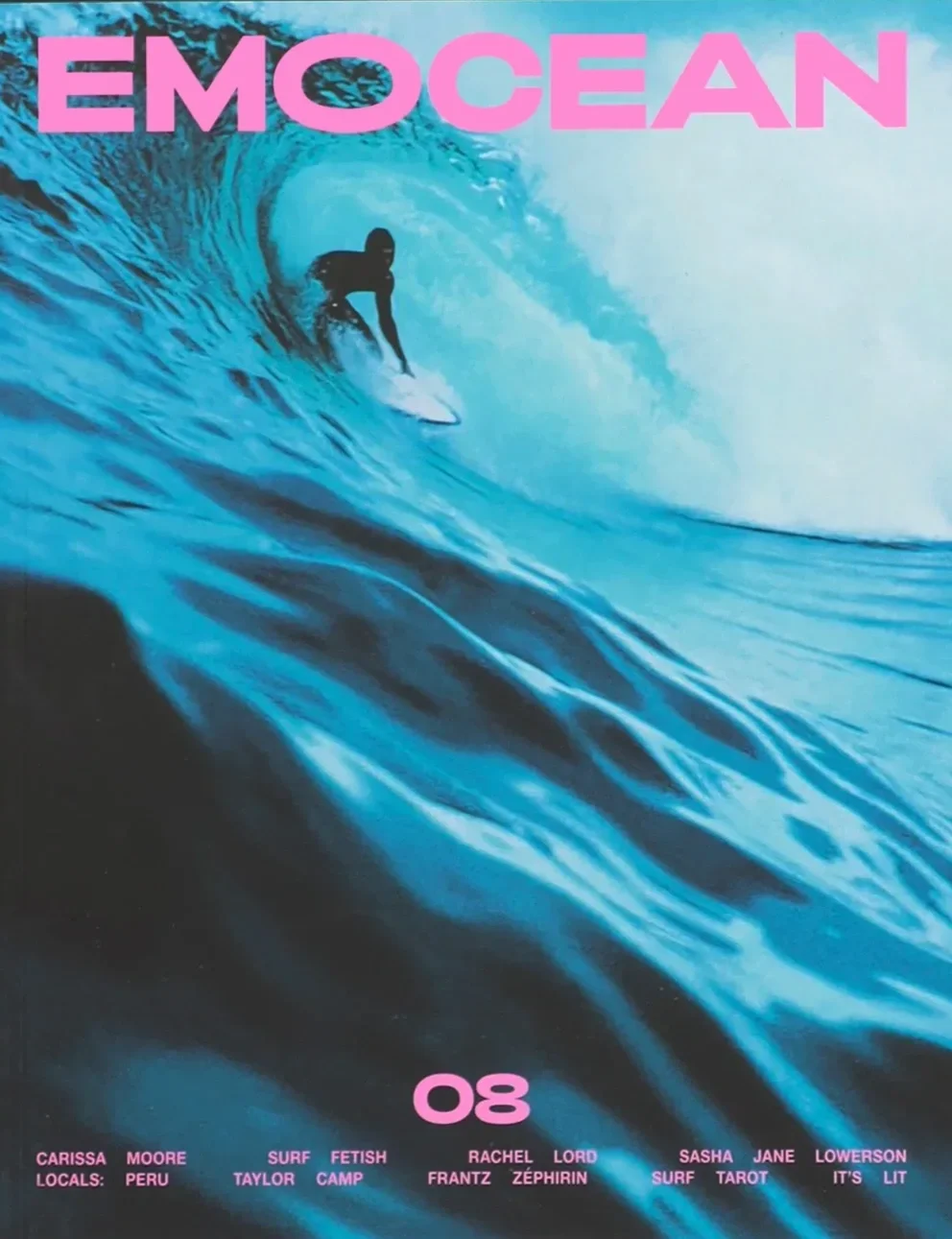
Kade Krichko: Right now? That’s a great question. Some magazines that I have been very impressed by recently are—and this one’s been around for a little bit—but Emocean is a female-run surf magazine out of the LA area. And I think their perspective on a challenging action sport is very refreshing and it’s amazing what a little bit of change in perspective does as far as content goes and where you can bring in new people to talk about things that you thought could never change. So that’s one that’s my sports plug of the day.
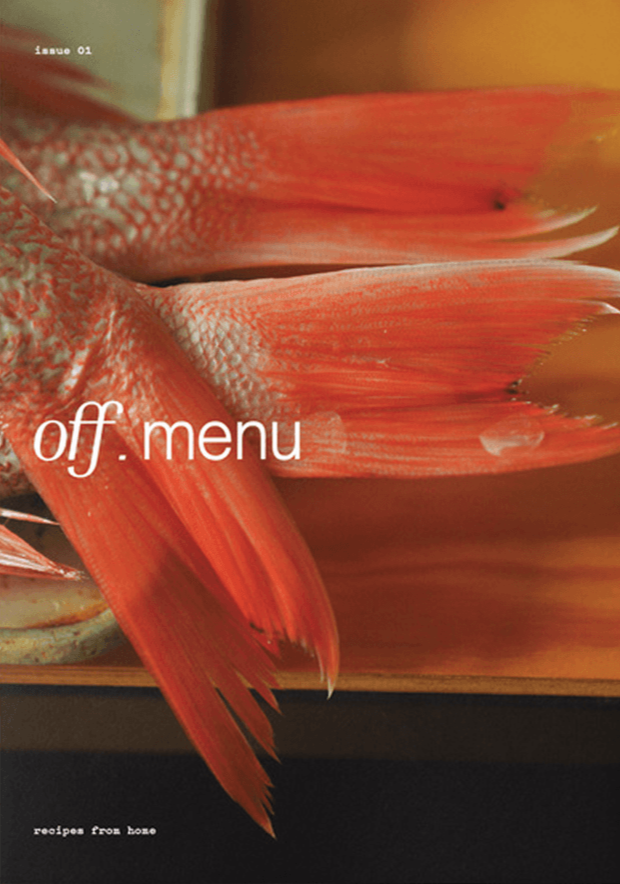
Another one I really like is a smaller magazine out of Brooklyn and Barcelona. I believe it’s connected to the two called Off-Menu. It’s almost the “kitchen confidential” magazine that never happened. It’s a look at the back rooms, the pits of all the kitchens, and some really cool food stories being born from there. It’s very young but very hip, like New York style fashion, heavy flash photography and really useful recipes and stories. This beautiful mix. That is what I believe all of North America, especially the US, is. So I love that one.
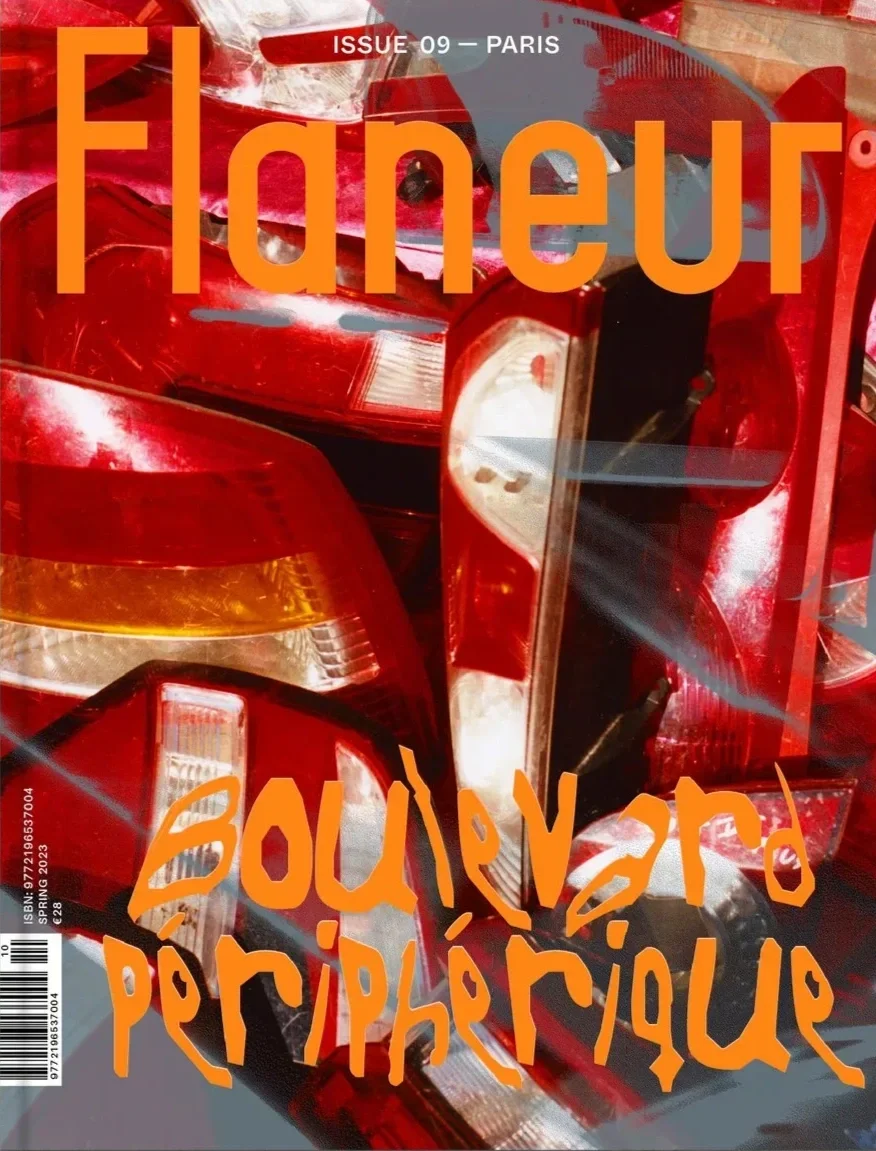
And then there’s an old one that I believe is still around, but I’ve still been collecting, called Flaneur that’s out of the UK, and I just love their approach to travel that, basically for those that don’t know, but they focus on one street in a city and they tell that street’s entire history through the issue. And I’m so jealous that’s what they do and call it work. I would love to do that. So this is me. This is my plug to be hired by Flaneur while I’m putting out Ori.
But they just dive deep. They talk to city planners, they talk to florists, they talk to artists, they talk to street performers, and they really build the case for what a city is all about, based off of one street. And it’s rarely, Broadway in New York City. It’s going to be something like Grand Street that goes through Bushwick and Williamsburg. So I love that concept, that super-zoomed in view, that actually tells a much larger story. Very cool.
Arjun Basu: Thanks Kade, that was great.
Kade Krichko: Three Things
Click images to see more.
More from The Full-Bleed Podcast